| فلسطين في الذاكرة | من نحن | تاريخ شفوي | نهب فلسطين | English |
 القائمة |
الصراع للمبتدئين | دليل العودة | صور | خرائط |
| فلسطين في الذاكرة | سجل | تبرع | أفلام | نهب فلسطين | إبحث | بيت كل الفلسطينيين على الإنترنت | English | |
| من نحن | الصراع للمبتدئين | صور | خرائط | دليل حق العودة | تاريخ شفوي | نظرة القمر الصناعي | أعضاء الموقع | إتصل بنا |
| إبحث |
| أريحا |
| بئر السبع |
| بيت لحم |
| بيسان |
| جنين |
| حيفا |
| الخليل |
| رام الله |
| الرملة |
| صفد |
| طبريا |
| طولكرم |
| عكا |
| غزة |
| القدس |
| نابلس |
| الناصرة |
| يافا |
| تبرع |
| سجل |
| إتصل بنا |
| فديوهات |
|
السابقة |
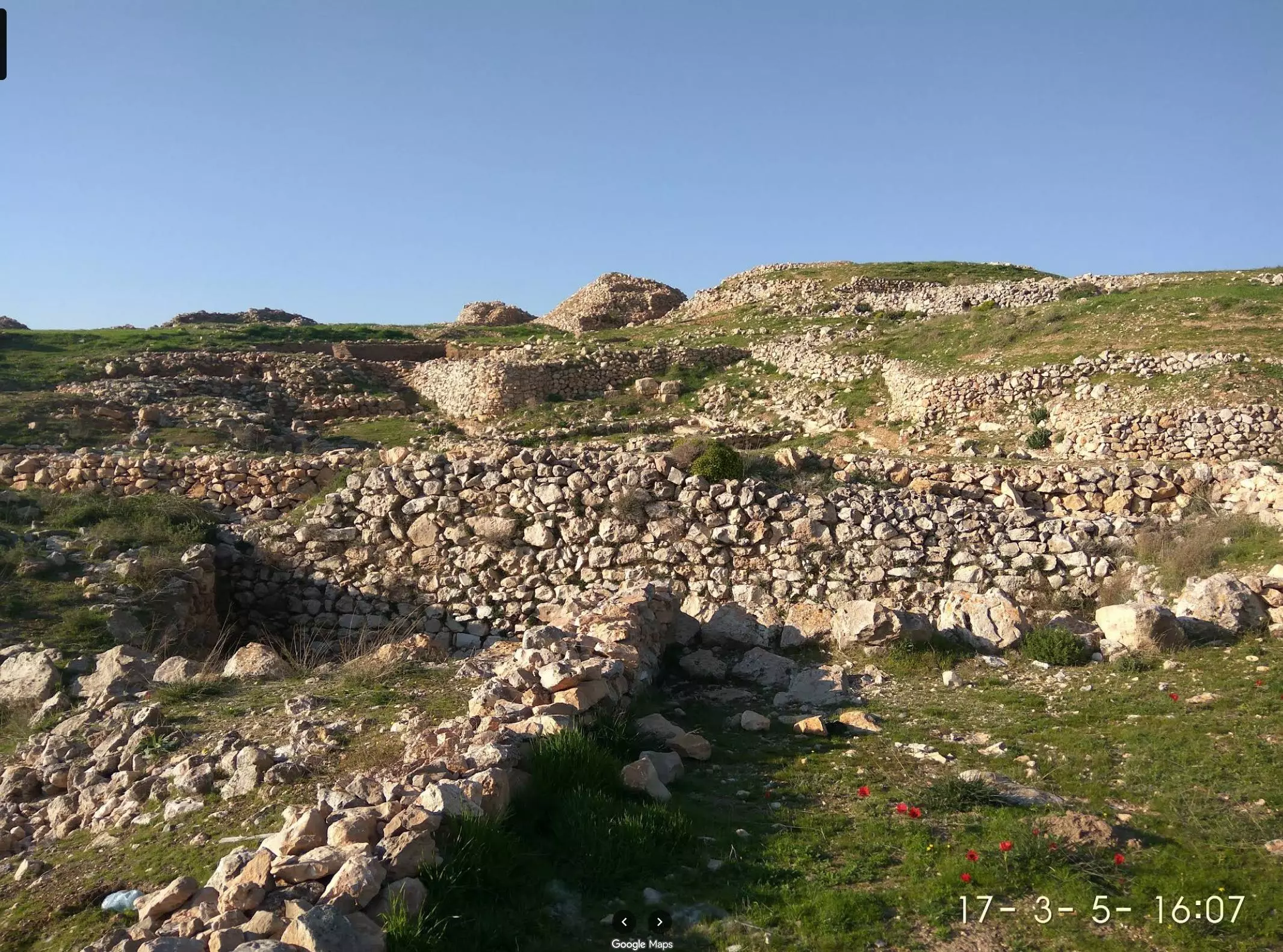
دير دبوان: مشاهد ساحرة لتل التل (أو خربة تل عي) التي تحد دير دبوان من الجهة الشمالية الغربية مباشرتا وتقع 3 كم جنوب شرقي بيتين -- المزيد عنها في التعليقات -- أنقر الصورة لتكبيرهاتعليق واحد |
التالية
English |
| رُفعت في12 تشرين ثاني، 2026 |
||
| شارك | السابقة 160 161 162 163 164 التالية | القمر الصناعي |

الجديد في الموقع
- لماذا رفع اليهود الصهاينة أعلام الصليب المعقوف النازية على سفنهم في الثلاثينيات؟

- طوفان الاقصى: حقائق عن الغارة التي شنها المقاومون الفلسطينيون من غزة يوم 7 أوكتوبر عام 2023
- فديو: كيف تستخدم الموقع
- تنويه: الآن كل صور الموقع باتت مُصنفة حسب الموضوع
- تغير بنشر جيب الاحتلال من قبل مدير شرطة الخليل أحمد ابوالرب هو تجسيد لكل صفقة اسلو الخيانة
- كتابي بلادنا فلسطين لمصطفي الدباغ والنكبة الفلسطينية لعارف العارف، كل صفحاتهم (الإثني عشر الف صفحة) متوفرة من خلال الموقع
- محمود عباس: ارجوك لا تتحدث باسمنا -- عبد الباري عطوان
- أكبر وأشمل توثيق خرائطي إلكتروني لفلسطين عبر القمر الصناعي
- حملة ضد القمل
- بثت قناة الجزيرة الفضائية مقطع عن موقع فلسطين في الذاكرة ومشروعها التاريخ الشفوي للنكبة الفلسطينية
- مقال رائع كتب عن فلسطين في الذاكرة في جريدة الدستور الأردنية
- فك طوق الأسر عن اهل غزة
- مشروع التاريخ الشفوي للنكبة الفلسطينية: أكثر من 600 مقابلة مع لاجئين شهدوا النكبة تحتوي على أكثر من 3,000 ساعة تسجيل .
- برنامج توثيق القرى المدمرة عبر الفيديو
- الصراع العربي - الإسرائيلي للمبتدئين
- أفلام تخص فلسطين، تاريخها وتراثها
- دليل حق العودة - القراءة ضرورية لكل فلسطيني
- تسلسل زمني للتاريخ الفلسطيني
شارك بتعليقك
Key Details
? Biblical Identification: Most mainstream archaeologists have traditionally identified et-Tell with the biblical city of Ai (the ruin in Hebrew, matching the Arabic et-Tell meaning "heap of ruins").
? Chronological Discrepancy: While the biblical narrative places the destruction of Ai by Joshua during the Bronze Age (~1400 BCE), excavations show et-Tell was a major fortified Canaanite city between 3300?2400 BCE (Early Bronze I?III). It sat abandoned for over a thousand years before an unfortified Iron Age I village appeared around 1200?1050 BCE.
? Alternative Sites: Because et-Tell lacks Late Bronze Age occupation layers, alternative candidates for biblical Ai have been proposed and excavated nearby?most notably Khirbet el-Maqatir (located about 1 kilometer west of et-Tell).
? Geography: The site sits at an elevation of roughly 855 meters on the desert fringe of the historical territory of Benjamin, east of Bethel.
Would you like more information on the archaeological history of et-Tell, or the debate surrounding Khirbet el-Maqatir?