 Menu
Menu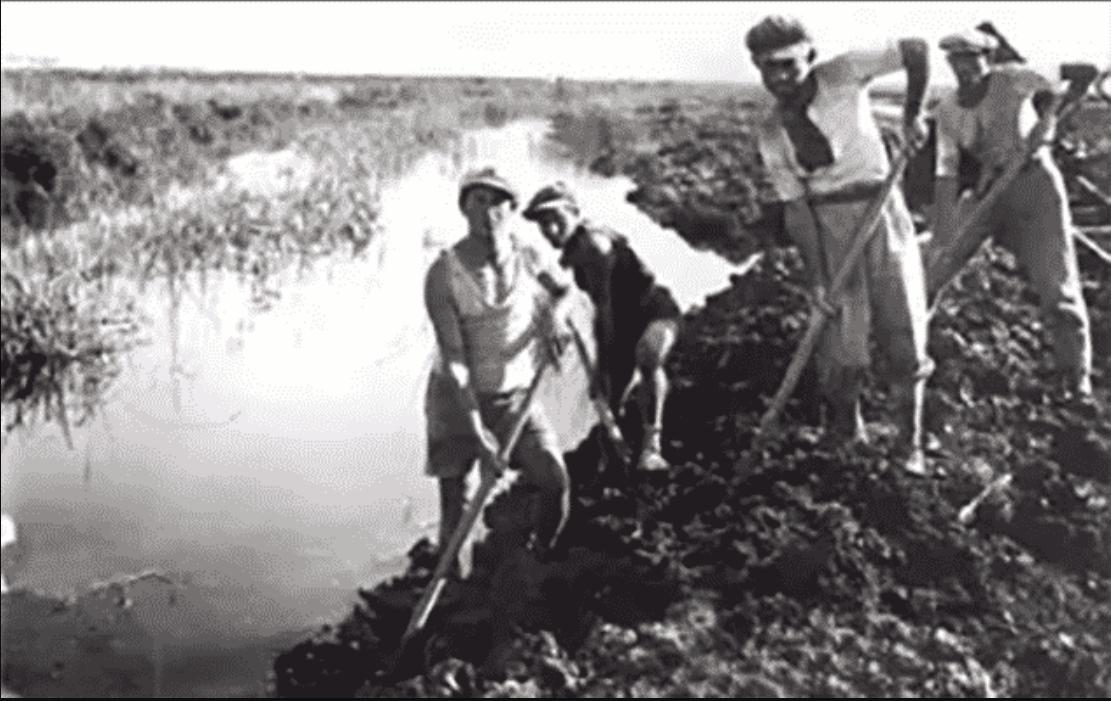 See Me While I Drain the Swamp: Yishuv hard at "work" while "draining" Palestine's swamps!
For generations, one of the central foundational narratives taught about early Zionism has centered on the image of idealistic Jewish pioneers arriving in an uninhabited, disease-ridden wasteland, rolling up their sleeves, and single-handedly draining the deadly, malaria-infested swamps to "make the desert bloom." This imagery has been widely propagated through fundraising pamphlets, school curricula, and political speeches, solidifying into an unquestioned article of faith.
Yet, when examined through historical archives, contemporary journalism, and ecological science, this classic narrative unravels. The reality reveals an enterprise that relied heavily on the manual labor of the indigenous population, was underwritten by non-Zionist imperial philanthropy and contentious financial pacts, and culminated not in agricultural triumph, but in one of the region’s greatest ecological disasters.
The Non-Zionist Benefactor: Baron de Rothschild and Agricultural Philanthropy
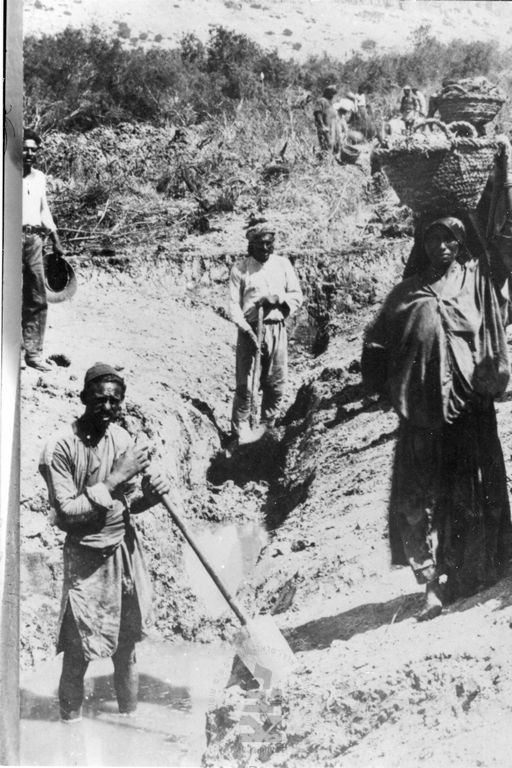 A rare picture of those who really drained the swamps. To most Jews, they still don't exist!
A central distortion of the reclamation narrative is the conflation of early Jewish agricultural settlements with the political Zionist movement. The primary engine behind late 19th- and early 20th-century marsh clearance was not Theodor Herzl's political apparatus, but the personal philanthropy of Baron Edmond James de Rothschild and later the Palestine Jewish Colonization Association (PICA).
Rothschild was not a political Zionist; in fact, he routinely clashed with early Zionist leaders. He viewed his projects as paternalistic, philanthropic, and agrarian endeavors to relieve persecuted European Jews--akin to the agricultural colonies established by Baron Maurice de Hirsch’s Jewish Colonization Association (JCA) in Argentina, Canada, and the United States. Palestine was simply one of multiple geographies receiving European Jewish colonization capital. At length, we have addressed this common misconception in another section. In fact, before WWII, the vast majority of European Jewry considered the Zionists as if they were the enemy from within.
 Boxing Jaffa's famous oranges 1898-1914.
Crucially, indigenous Palestinian Arabs had lived alongside foreign agricultural colonies for decades without systemic political friction--most notably with the German Templars, who established prosperous agrarian colonies in Haifa, Jaffa, Wilhelma, Waldheim, and Sarona beginning in 1868. Palestinian resistance did not originate from hostility toward foreign agriculturalists or swamp drainers; it crystallized only when the political Zionist movement explicitly demanded demographic transformation, exclusive Jewish labor (Avodat Ivrit), and the sovereign dispossession of the native population.
The Myth of Sole Labor: Who Really Cleared the Kabara Swamps?
 Remind us, please: Who shall push whom into the sea? Jaffa, May 1948: Palestinians were being pushed into the sea by Zionist Jewish forces.
A foundational pillar of the myth is that the dangerous physical labor of reclaiming swampland was borne exclusively by Jewish chalutzim (pioneers). Archival records tell a markedly different story.
One of the largest drainage initiatives of the Mandatory era was the clearance of the Kabara swamps, situated along the Mediterranean coast between Mount Carmel and Binyamina. Funded by Baron Rothschild’s PICA in the 1920s, the project was overseen by Jewish engineers, but the actual manual labor fell primarily on local non-Jewish inhabitants.
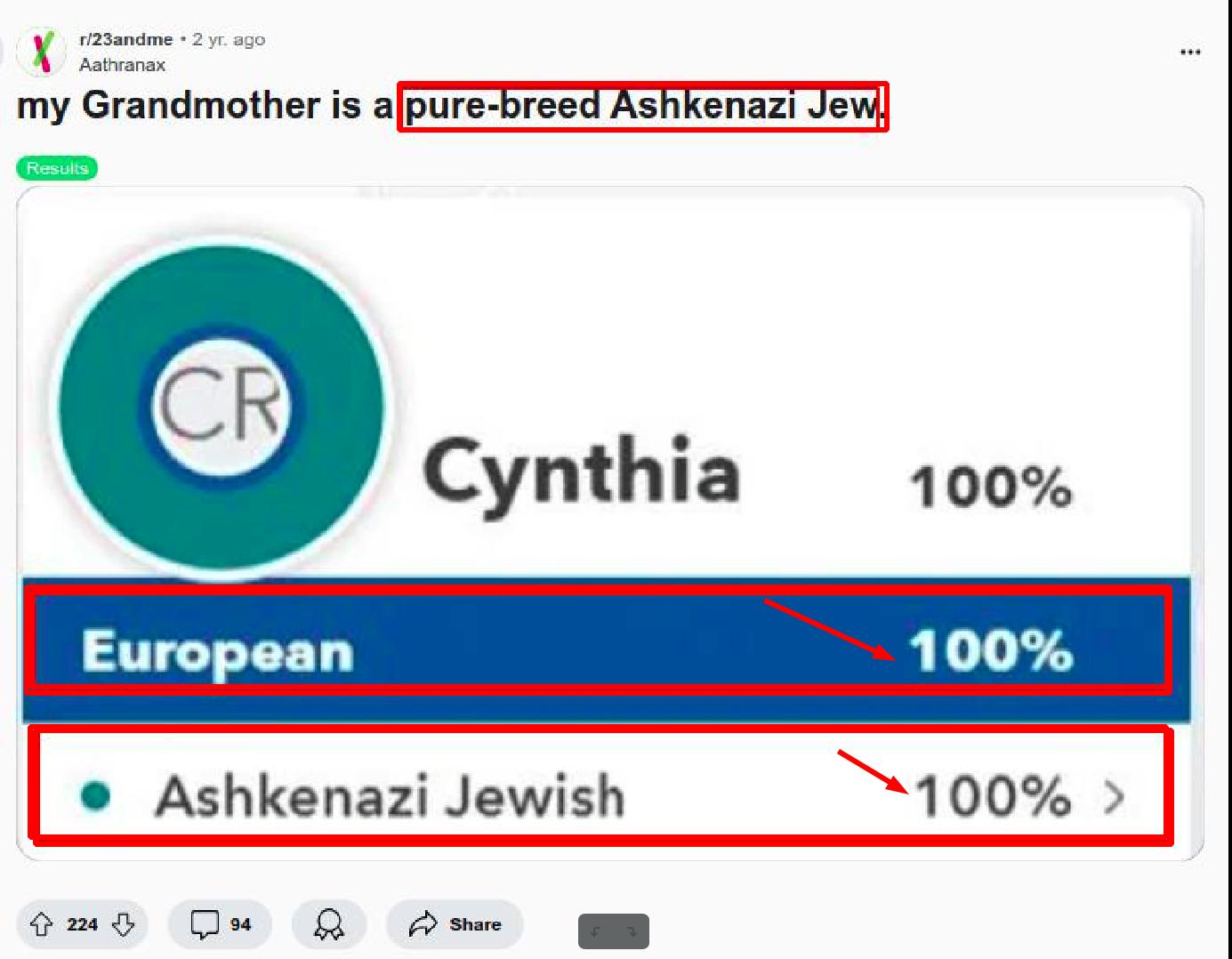 A Playlist Of Short Clips Of Jews Sharing Their DNA Test Results
As documented in the Israeli newspaper Ha'aretz, historical research by Israelis such as Yehudit Ilan indicates that out of the hundreds of workers engaged in digging channels through the dangerous, pestilent marshes, only 50 to 60 were Jewish pioneers. The overwhelming majority were Palestinian Arab laborers from nearby Tantura and members of the Arab al-Ghawarna--a local community that had lived and sustained its livelihood around the wetlands for generations; see: A Classic Zionist Story published by Ha'aretz on Jun 10th, 2010.
While Zionist narratives often dismissed the Ghawarna with assertions that their bodies were "naturally immune" to malaria, contemporary testimonies paint a grim picture of high mortality, meager medical support, and intense exploitation. In return for clearing the land, the Ghawarna were relocated to a 1,200-dunam rocky hilltop, where they were settled in what became the Arab village of Jisr al-Zarqa. While PICA financed the enterprise, it was largely Palestinian Arab hands that drained the Kabara marshlands.
Insolvency and the 1930s Bailout: Where Did the Money Come From?
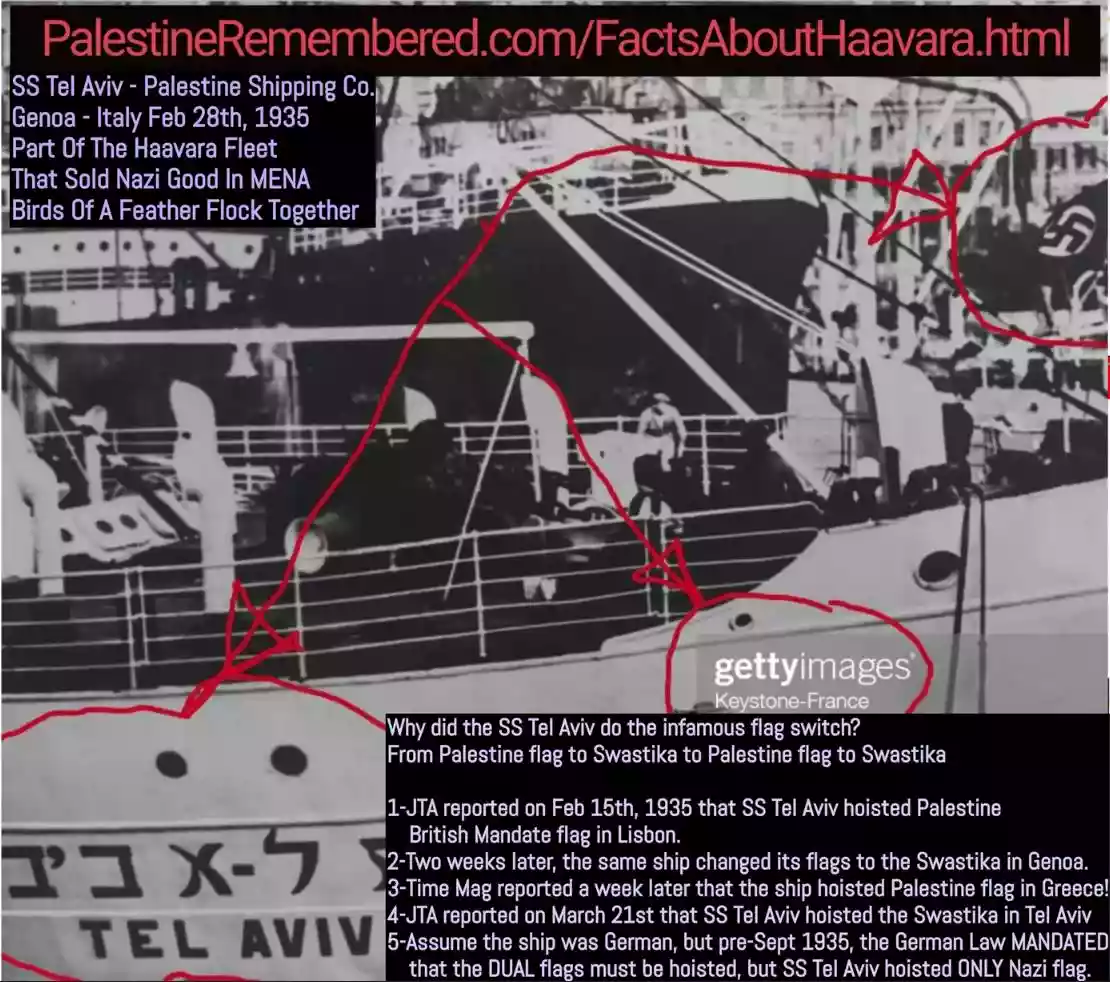
 Fake Valor: Why Did Zionist Jews Hoist Nazis Flag on Their Ships in the 1930s?
By the early 1930s, the Zionist colonization apparatus reached the brink of complete financial collapse. The onset of the Great Depression devastated fundraising drives across Western Europe and especially the United States, which had long served as the financial backbone of the World Zionist Organization (WZO) and the Jewish National Fund (JNF).
By 1933, the Jewish Agency was hemorrhaging funds, running staggering deficits that consumed over three-quarters of its operational budget; see The Transfer Agreement by Edwin Black pp. 90. The Zionist project could not afford massive infrastructure ventures, land purchases, or swamp reclamation schemes. The fundamental question must be asked: who bailed out the Zionist movement in 1933?
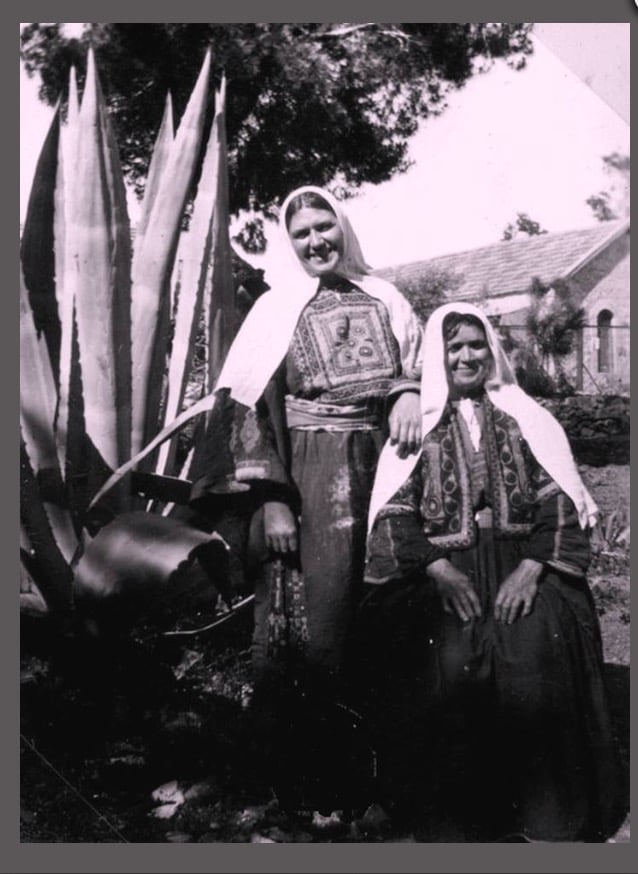 Browse hundreds of pictures depecting Palestinian culture & folklore
The lifeline arrived through the controversial Haavara (Transfer) Agreement signed in August 1933 between the Zionist Federation of Germany, the Anglo-Palestine Bank (under the direction of the Jewish Agency), and the economic authorities of Nazi Germany. Under this mechanism:
- German Jews facing Nazi persecution placed their assets into blocked accounts in Germany.
- These funds were used to purchase German industrial goods, agricultural equipment, heavy machinery, pipes, and construction materials for export into Mandatory Palestine.
- Upon arrival in Palestine, these capital goods and funds were liquidated to support incoming German Jewish refugees and capitalize the Jewish Agency’s institutions.
While the global Jewish community and anti-fascist organizations led an international economic boycott against Hitler’s regime, the Zionist leadership broke the boycott to secure capital and immigrants. Between 1933 and 1941, approximately 140 million Reichsmarks (worth over $35–40 million at the time, equivalent to billions today) were injected into the Mandatory Palestine economy through the Transfer Agreement. This massive influx of capital goods, irrigation technology, and industrial equipment rescued the Jewish Agency from insolvency and financed the infrastructure developments of the late 1930s--including agricultural expansion and marsh drainage projects.
The Reality of Disease: The Fragility of Early Settlements
 Harvesting olives in Ramallah's hills early 1900s
The romanticized pioneer imagery also frequently obscures the severe toll malaria inflicted on early Jewish immigrants who attempted to settle in marshy lowlands. Far from conquering the environment effortlessly, early communal experiments were often brought to their knees by vector-borne illness.
A prominent example is that of Golda Meir (then Meyerson) and her husband, Morris. When the couple joined Kibbutz Merhavia in the Jezreel Valley in 1921, they encountered a valley severely afflicted by endemic malaria. Morris--unaccustomed to the grueling agrarian labor and harsh living conditions--contracted severe malaria and persistent illnesses. His deteriorating physical health forced the couple to abandon communal agricultural life entirely in 1923, relocating first to Tel Aviv and later to Jerusalem.
Rather than romanticizing a total physical mastery over disease, history shows that malaria eradication required decades of systematic public health interventions, vector-control protocols led by scientists like Dr. Israel Kligler, and British Mandatory health infrastructure--not simply heroic manual trench-digging.
The Ecological Catastrophe of the Hula Valley
 Palestinian women harvesting cotton in the village of Kafr Saba in 1937
If the pre-state drainage projects revealed uncomfortable truths about who performed the physical labor, the largest drainage project undertaken after the establishment of Israel exposed the fallacy of the underlying environmental ideology.
Between 1951 and 1957, the Jewish National Fund (JNF) and the Israeli state undertook the massive drainage of Lake Hula and its surrounding 15,000-acre wetlands in the Upper Galilee. Celebrated at the time as a monumental national triumph, the project soon proved to be an unmitigated ecological disaster:
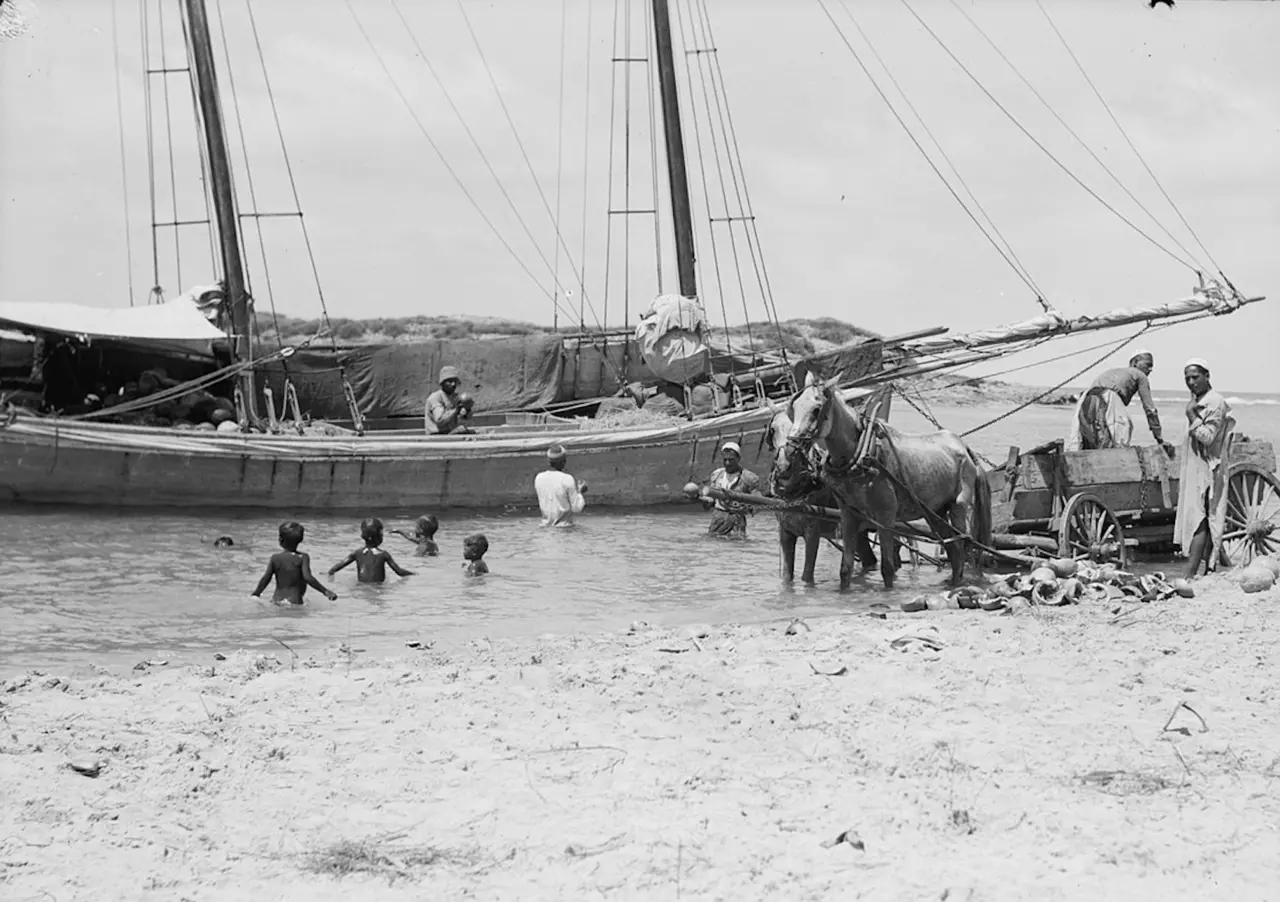 Loading melons into a boat for export to Lebanon & Egypt at al-Tantura's seasonal port, 1920-1933
- Subterranean Peat Fires: When the lake bed was dried out, the peat soil oxidized and subsided, frequently igniting underground fires that smoldered beneath the surface for decades and destroyed farm plots.
- Pollution of Lake Kinneret (Sea of Galilee): The original Hula wetland had served as a vital natural filter for the Jordan River. Once destroyed, toxic nitrate runoff and agricultural pollutants flowed unchecked into Lake Kinneret--Israel’s primary freshwater reservoir--triggering severe algal blooms and degrading water quality.
- Biodiversity Collapse: The destruction of the wetlands devastated critical migratory routes for millions of birds traveling between Europe and Africa, driving endemic fauna--such as the Hula painted frog--to presumed extinction.
- Agricultural Failure: Much of the newly exposed land proved unsuitable for profitable farming due to extreme soil toxicity, blowing dust, and high salinity.
 Browse hundreds of pictures depicting Palestinian culture & folklore
The failure was so profound that by 1994, the state had to launch the Hula Reclamation Project, spending millions to re-flood sections of the valley (now known as Agamon Hula) to raise the water table, suppress peat fires, and restore minimal filtration to the water basin. If you care, see how Google AI Gemini exposed this myth.
Conclusion
The narrative that early Zionist pioneers single-handedly reclaimed a desolate, malaria-choked country without local contribution--or that their intervention was an unalloyed blessing for the land--falls apart under basic scrutiny. The physical clearance of the marshes depended significantly on local Palestinian Arab workforces who were subsequently ethnically cleansed and dispossessed; early settlements were sustained by non-Zionist imperial philanthropists; and the movement’s 1930s insolvency was reversed by capital imported through the Haavara Agreement with Nazi Germany. When the state finally tackled its grandest drainage scheme independently at Lake Hula, it yielded not an agricultural paradise, but decades of environmental ruin. Re-examining these myths replaces political folklore with the tangible realities of labor, capital, and ecology.


 Over 700 Oral History interviews (including 3,500+ hours of recording) can be viewed online.
Post Your Comment
*It should be NOTED that your email address won't be shared, and all communications between members will be routed via the website's mail server.