On October 11, 2024, an exchange on The Ezra Klein Show laid bare the mechanics of American media gatekeeping. Speaking with host Ezra Klein, author and journalist Ta-Nehisi Coates articulated a realization that strikes at the heart of Western political consensus:
Ta-Nehisi Coates [40:46]:"I felt lied to. I felt lied to by my craft. I felt lied to by major media organization--by media organization I mean like producers of books, films, etc., like the whole--the whole corpus of storytelling, which is what this book is obsessed with. I wanted to know how that happened. I wanted to know why there was so much difference between what you saw and what I saw, and what I felt like I understood back here in America..."
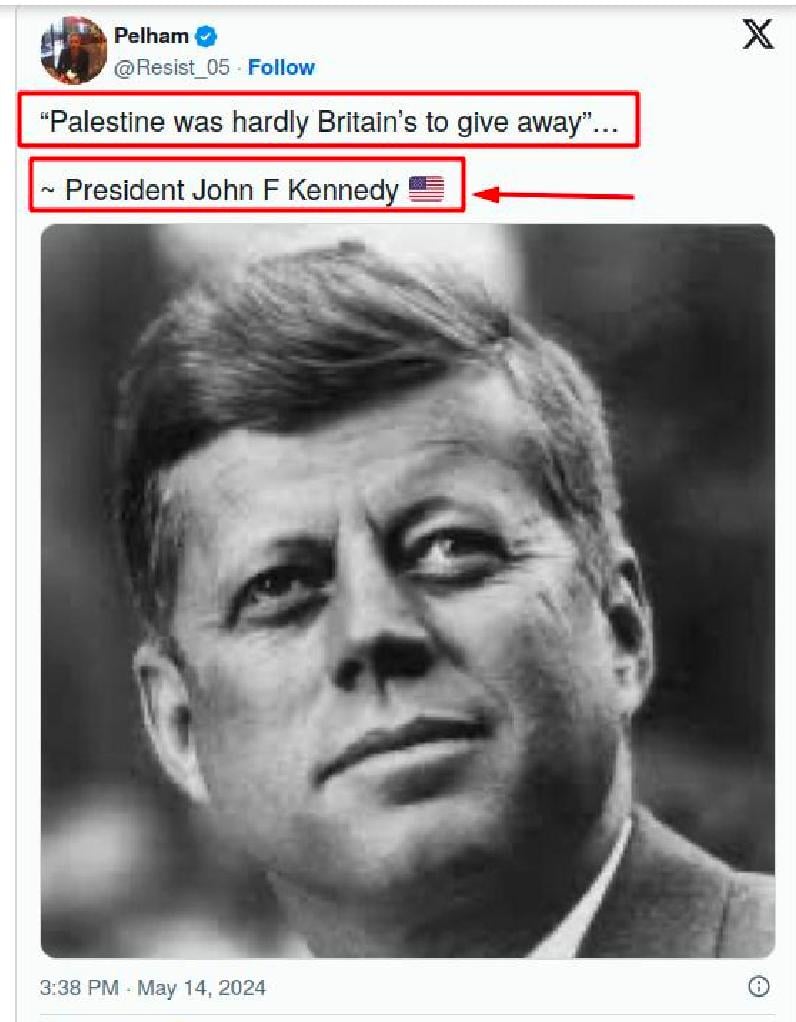
JFK said it BEST in 1939: Palestine Was Hardly Britain's to Give Away
Coates went on to explain why he consciously chose not to seek out right-wing Israeli figures for his reporting on the West Bank, noting that the dominant narrative had already been engineered to keep Western audiences blind:
Ta-Nehisi Coates [41:55]:"But in terms of my question, 'How did I get this so wrong?' I probably was not compelled to have a conversation with people who I feel, even now, it was in their interest for me to get it wrong."
Rather than refuting Coates's experience, Klein--himself an insider of elite Washington opinion journalism--confirmed the historical reality of institutional suppression:
Ezra Klein [51:12]:"When I came to Washington, the heyday of the Marty Peretz New Republic, I felt that the conversation about Israel and the things we are talking about in Israel was one of the most censored conversations in American politics, right?"
Ezra Klein [51:28]:"There's a famed book by Walt and Mearsheimer called The Israel Lobby. You would have these huge fights over whether or not you could even really talk about that book, and back then I think that the reality of it was suppressed."
The Anatomy of a Psychological Panic Button
Official UN Map: It was updated in August 1950, showing that Palestinians STILL OWN 94% of the lands
When pressed on whether this deliberate blackout constituted a systemic lie, Klein attempted to soften institutional culpability by reframing deliberate deceit as psychological self-deception:
Ezra Klein [59:21]:"You say that you feel that the American conversation has lied to you, and I think my fear... is to me worse, which is--we believe the illusions. It would be easier if it's actually cynical, because then you can rip the cynicism back, right? Because then at some point somebody's got the true outlook on the situation and is just executing a strategy."
This distinction between lies and illusions reveals the cognitive panic of the establishment insider. A lie requires a liar; it demands moral agency, intention, and an admission that prestigious magazines, publishing houses, and newsrooms actively enforced a deception.
By retreating to the word illusion, Klein sought to transform a moral failure into an innocent tragedy. Yet earlier in the interview, Coates admitted he had been "very, very scared to go" [5:40] to the West Bank--not out of physical fear, but because he intuitively understood that witnessing the physical reality of segregated roads, flying checkpoints, and water deprivation would permanently ruin the comfortable "default Zionism" of American intellectual life.
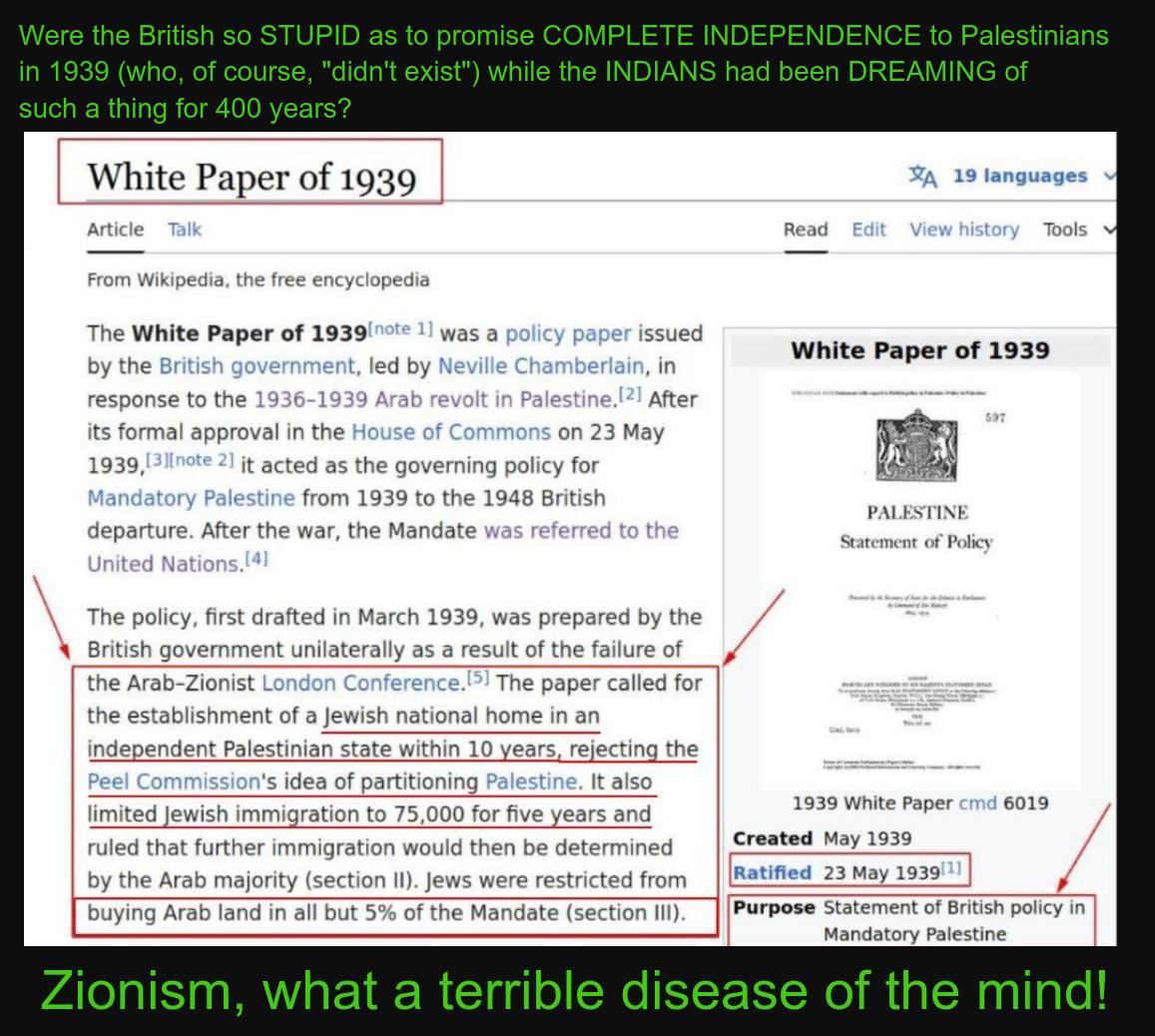
Were the British so STUPID as to promise COMPLETE INDEPENDENCE to Palestinians in 1939 (who, of course, "didn't exist") while the Indians had been DREAMING of such a thing for 400 years?
Coates understood that he was living inside a curated intellectual bubble, and that stepping onto the ground in the occupied West Bank would shatter it. What he feared was not physical danger, but the moral burden of knowing--and despite that fear, he mustered the courage to confront the physical reality directly.
When Coates sat across from Klein, he held up a mirror of bare facts. Klein’s visible struggle was the agony of watching an intellectual toolkit built on "complexity" and "historical nuance" dissolve when confronted by an honest witness describing concrete systems of domination.
Crucially, Klein’s reliance on "illusions" was not born of unexamined distance. Having visited the occupied West Bank multiple times himself, Klein saw the exact same physical reality as Coates, yet consciously chose to wrap it in the sanitized, acceptable language of establishment journalism.
II. Theoretical Foundations: Gramsci, Arendt, and Manufactured Consent
Browse hundreds of pictures depicting Palestinian culture.
The structural blackout described by Coates and acknowledged by Klein relies on two foundational theories of power and media: Antonio Gramsci’s concept of Cultural Hegemony and Hannah Arendt’s analysis of Truth and Politics.
1. Gramscian Cultural Hegemony and the Liberal Gatekeeper
Antonio Gramsci argued that a ruling class maintains control not merely through physical force, but through civil institutions--universities, publishing houses, newsrooms, and cultural outlets--that manufacture "common sense."
In the Western context, liberal media institutions functioned as the primary enforcement arm of this hegemony. By setting the boundaries of acceptable debate, self-described liberal editors did not just report the news; they policed the margins. To maintain prestige and access, journalists absorbed a default consensus that marginalized Palestinian humanity, framing state violence as defensive necessity while treating Palestinian resistance as senseless violence devoid of context.
2. Hannah Arendt and the Fragility of Factual Truth
Hannah Arendt, 1933: The Jews canceled her when she exposed the Kapo phenomenon in the ghettoes during WWII
In Truth and Politics, Hannah Arendt noted that factual truth is inherently vulnerable because it lacks the organizational muscle of political power:
"The chances of factual truth surviving the onslaught of power are very slim indeed; it is always in danger of being maneuvered out of the world not only for a time but forever."
Arendt observed that state power frequently replaces factual reality with "consistent lies" engineered to serve political interests. When Coates expressed shock at the discrepancy between the narrative in Washington and the physical reality in Hebron, he was observing Arendt’s thesis in real-time: a manufactured political reality designed to obscure fragile, lived facts.
III. The Institutional Economy of Reward and Punishment
The erasure of Palestine was not maintained by passive agreement; it was enforced through a ruthless institutional political economy often labeled as "progressive, liberal, or socialist." Those who served the state's strategic narrative were rewarded with syndication, book deals, and professorships. Those who insisted on reporting factual truths were systematically exiled.
       [ Power Center / Establishment Statecraft ]
                           │
       ┌───────────────────┴───────────────────┐
       ▼                                       ▼
 [ Truth-Tellers ]                       [ Narrative Enforcers ]
 - Dorothy Thompson (Blacklisted)        - Promoted to Synergized Outlets
 - Gary Webb (Discredited/Suicide)       - Awarded Book Deals & Chairs
 - Virginia Giuffre (Ostracized/Suicide) - Granted Institutional Immunity
       │                                       │
       ▼                                       ▼
 Systemic Exile                         Institutional Promotion
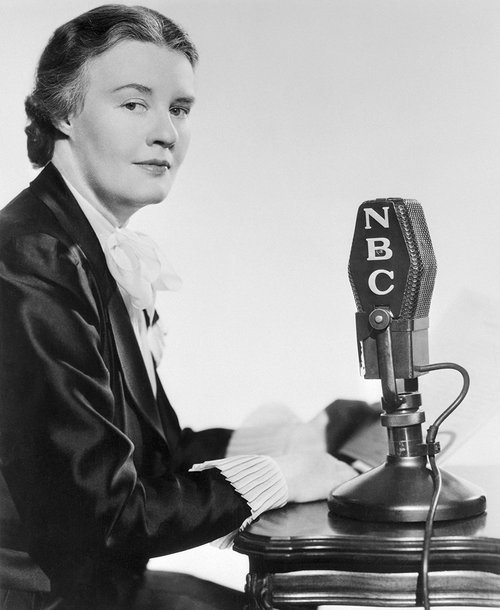
In the 1930s and 1940s, Dorothy Thompson was one of the most influential journalists in America. However, after visiting Palestine in 1945 and reporting on the displacement of hundreds of thousands of indigenous Palestinians during the Nakba, her syndicated column was abruptly canceled, her speeches were shut down, and she was marginalized from mainstream journalism. Thompson served as an early warning to the press corps: documenting Palestinian reality carries career destruction. Although she did more than any Jews to raise the alarm about the rise of Nazis and to help Jewish refugees, only a handful of Jews came to her defense. We addressed her case in another section.
2. The 2003 Iraq War and the Promotion of Fabricators
This pattern extends far beyond Palestine. In the lead-up to the 2003 invasion of Iraq, journalists and analysts who questioned state claims regarding Weapons of Mass Destruction were demoted, fired, or branded as traitors. Conversely, reporters and pundits who peddled fabricated intelligence were rewarded with prime-time promotions, executive positions, and permanent seats in the punditocracy. To this date, Pres. George W. Bush's staged press conference --two weeks before the invasion of Iraq-- is still being censored by the mainstream press.
3. Covert Logistics, Gary Webb, and Virginia Giuffre
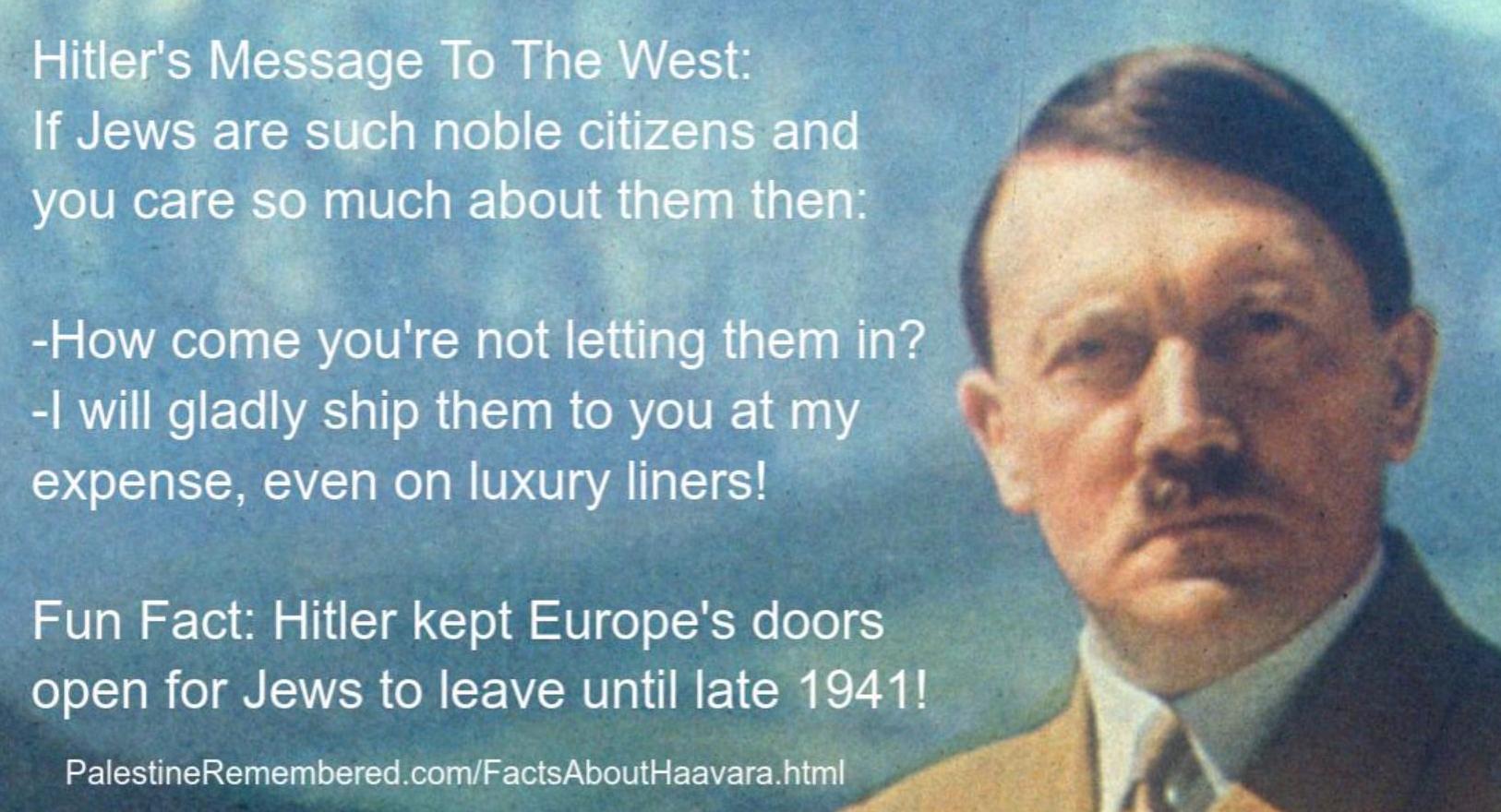
Hitler's Message To The West: If Jews are such noble citizens and you care about them, how come you're not letting them in?
The enforcement mechanism reaches its apex when exposing transnational covert networks. Journalist Gary Webb exposed how CIA-backed Nicaraguan Contras flooded American working-class neighborhoods with crack cocaine. Instead of investigating the intelligence apparatus, legacy outlets (such as the NY Times, Washington Post, LA Times, etc) orchestrated a smear campaign that destroyed Webb's career, driving him to suicide in 2004 before subsequent official inspector general reports confirmed his core findings.
Similarly, Virginia Giuffre spent over a decade attempting to expose the transnational sex-trafficking network operated by Jeffrey Epstein and Ghislaine Maxwell. For years, institutional media and law enforcement buried her testimony to protect powerful figures in finance, politics, and intelligence. Tragically, both Webb and Giuffre died by suicide before receiving full institutional exoneration, underscoring the lethal human toll exacted on those who breach the protection rackets of the powerful.
Crucially, these networks share underlying logistical and covert corridors. The private aviation companies (such as Southern Air), offshore banking channels, and intelligence-adjacent networks that facilitated Iran-Contra illicit operations overlapped directly with the private infrastructure later utilized by figures like Epstein and commodities trader Marc Rich (who operated with high-level Israeli intelligence protection while trading Iranian oil). In every instance, those who protected the covert infrastructure were promoted; those who exposed it were destroyed.
4. Raul Hilberg and the Institutional Suppression of Historiography
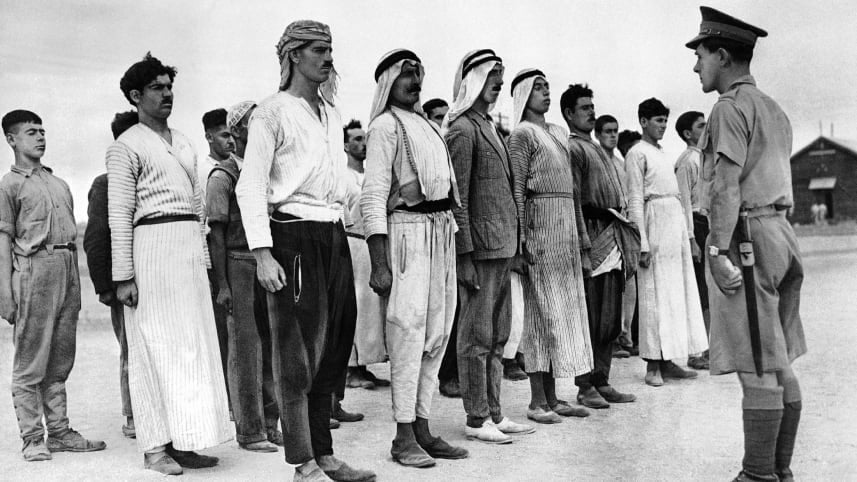
Twelve thousand Palestinians were recruited to fight with the British army during WWII. Unlike some impostors, many of those Arabs saw action in North Africa!
Long before contemporary digital censorship, the institutional enforcement of state narratives was demonstrated in the decade-long suppression of political scientist Raul Hilberg, universally regarded today as the foundational scholar of Holocaust studies. Between 1948 and 1961, Hilberg’s seminal manuscript, The Destruction of the European Jews, was rejected by major academic institutions--including Columbia, Princeton, and Chicago University Presses. In a post-war environment where West Germany was being integrated into Western alliances, an exhaustive accounting of how civil and corporate bureaucracies executed industrial genocide was deemed politically uncomfortable for Western gatekeepers.
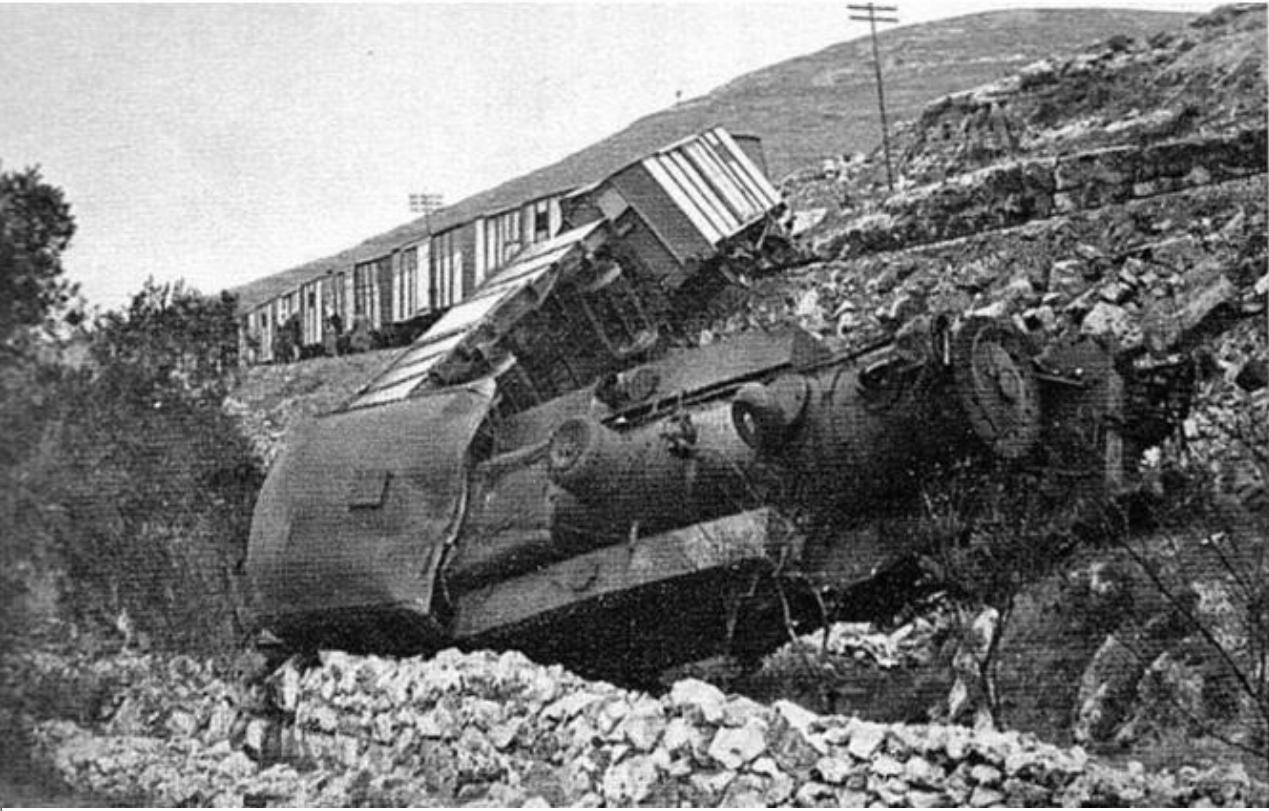
Fake Valor: Why did two of Israel's future PMs, Menachem Begin and Yitzhak Shamir, bomb WWII war efforts while their families were being gassed in Poland?
The suppression deepened in 1958 when Israel’s official memorial institution, Yad Vashem, pulled out of publishing Hilberg’s research. Operating under a state-mandated framework of Shoah u'Gevurah ("Holocaust and Heroism"), Yad Vashem sought to forge a nation-building narrative centered on armed struggle, partisan resistance, and physical defiance. Hilberg’s cold, document-based thesis directly challenged this curated image by proving that armed resistance was rare and that Nazi destruction machinery relied heavily on the administrative compliance of the Judenräte (Jewish Ghetto Councils --a.k.a. Kapos). Fearful that exposing administrative compliance would undermine the state's heroic mythos, Yad Vashem branded his foundational work anti-Jewish and rejected it.
Hitler's Message To The West: If Jews are such noble citizens and you care about them, how come you're not letting them in?
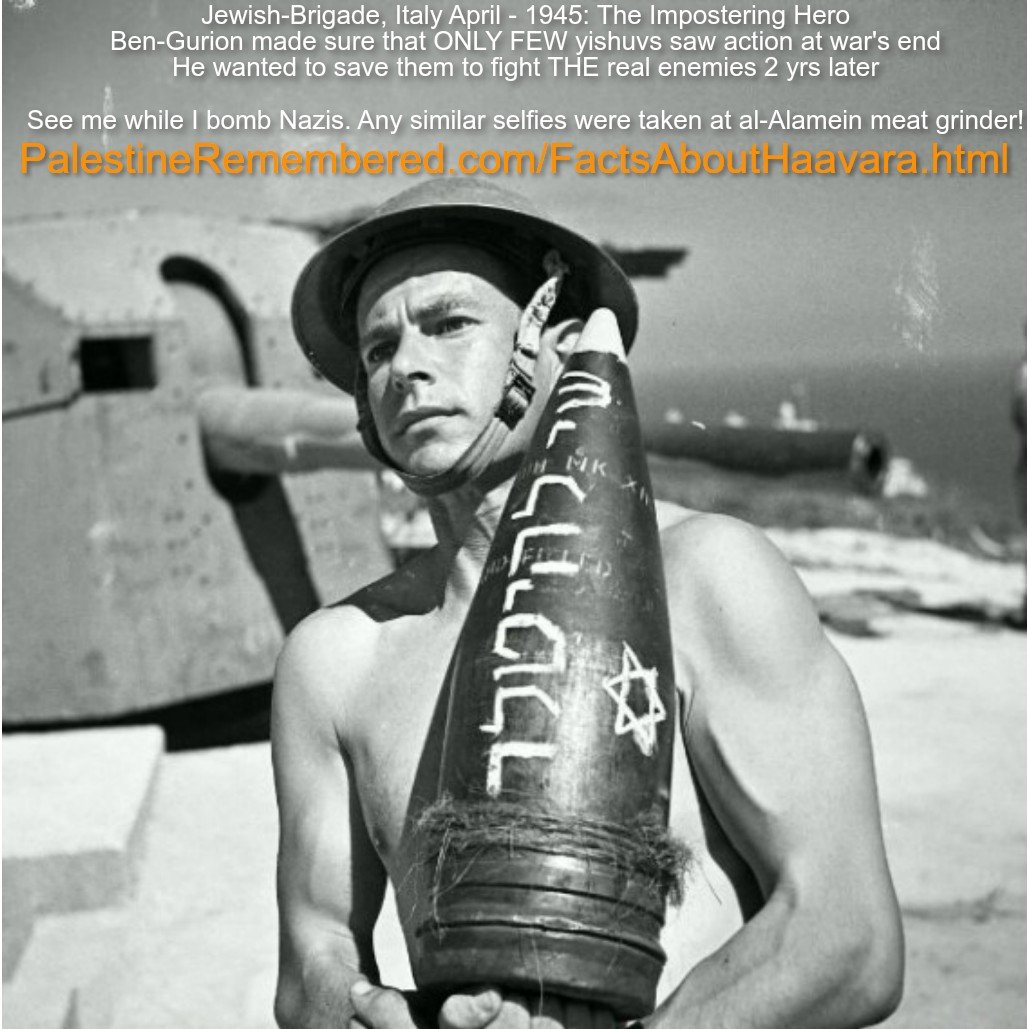
This selective institutional memory extended to statecraft as well. Official historiography frequently elevated military mythmaking--such as over-emphasizing the late deployment of the Jewish Brigade, which entered frontline combat in Italy only in March 1945, weeks before Germany’s surrender--while burying the pre-state leadership's complex and politically calculated wartime decisions. By prioritizing heroic state-building myths over inconvenient factual reality, gatekeepers constructed a sanitized historical consensus that endured for decades. At length, we have addressed the yishuv's fake valor during WWII in another section.
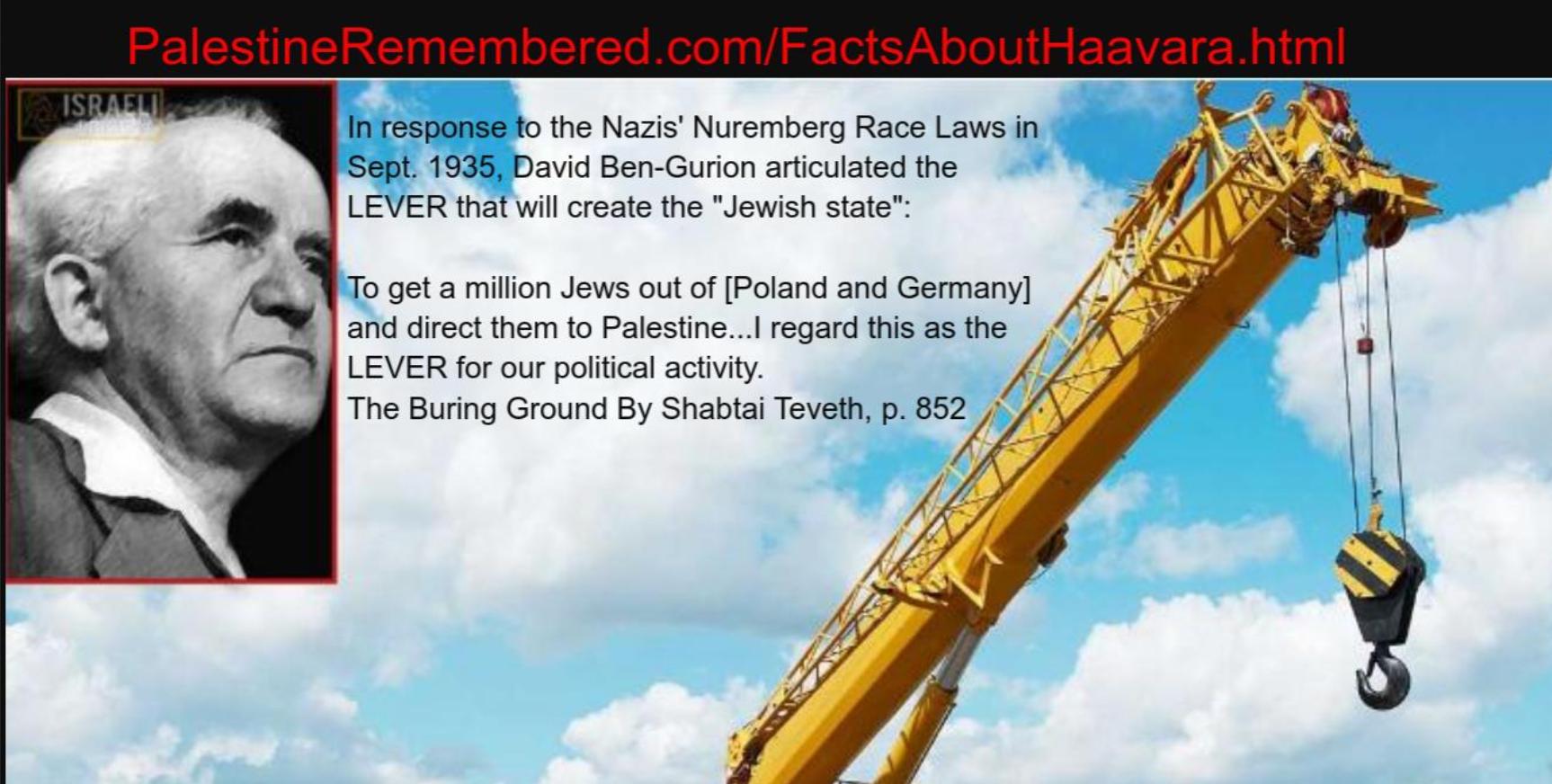
David Ben-Gurion envisioned that the Nazis' Nuremberg Race Laws would become the LEVER that would end up creating the "Jewish state," but how? Click the image for the details
Hilberg’s experience reinforces the core rule of the institutional political economy: truth-tellers who expose structural reality over state-sanctioned mythology face exile. Just as Dorothy Thompson was canceled and Gary Webb was destroyed, Hilberg was isolated from academic publishing for twelve years--until the undeniable empirical weight of his documentation forced legacy institutions to reluctantly recognize his work as the gold standard of historiography.
If you care, here is a lengthy summary from Google AI concerning Mr. Hilberg's struggle in publishing the truth about the Holocaust.
IV. The Trap of Conflation and the Public Unmasking of Power
The Zionist Version Of Lebensraum: A Map Of The Great Israel
The long-term strategy of narrative control eventually produced a fatal structural error: the total conflation of global Jewish identity with the military policies of the Israeli state.
1. The Normative Trap
By declaring that any political critique of Israeli state policy was inherently an attack on collective Jewish identity, institutional leadership created an inescapable trap. When state military actions became morally indefensible to global audiences, this artificial indivisibility eliminated the safety valve for internal dissent. Instead of shielding the state, the conflation retroactively dragged broader communities into the moral blowback of foreign cabinet decisions.
2. The Shift from Soft Influence to Raw Coercion
Power is most efficient when it remains invisible. For decades, foreign policy lobbying operated through quiet campaign finance, donor networks, and subtle media placement. However, following the October 7th Raid, the enforcement apparatus abandoned restraint.
The televised congressional grillings and public firings of Ivy League university presidents--alongside aggressive legislative efforts to criminalize campus protest--served as a real-time demonstration of political enforcement. While this achieved immediate tactical compliance across academia, it resulted in a catastrophic strategic loss: it unmasked the machinery of AIPAC's leverage to millions of viewers who had previously paid little attention to The Lobby's infrastructure.
This dynamic mirrors the broader doctrine of asymmetric warfare, such as high-tech military campaigns against Iran or regional adversaries. Tactically, an advanced state can hit every coordinate on a target map during the opening salvo, eliminating infrastructure and leadership with surgical precision.
Yet, by the second week, the war inevitably pivots from kinetic strikes to the strategic, economic, and moral battlefields. As asymmetric friction, disrupted trade routes, and widespread global condemnation set in, tactical dominance collapses into strategic isolation. When a power structure relies entirely on raw coercion--whether military strikes abroad or televised intimidation at home--it trades temporary compliance for permanent legitimacy loss.
V. The Adversarial Audit: Epstein as a Proxy War
The usurped Palestinian city of Safad, a few years after the Nakba
The public response to this unmasking marked a permanent shift in news consumption. Millions of citizens transitioned from passive consumers of legacy media to active, adversarial open-source investigators.
1. Hunting for Institutional Dirt
When a population realizes its media referees are actively managing narratives, it shifts to an adversarial audit of state power. In the post-October 7 landscape, public scrutiny expanded beyond daily press briefings into deep-dive investigations of past intelligence backchannels, financial registries, and political leverage networks.
2. The Epstein Files as a Structural Cipher
The famous looted house of al-Sheikh Ali, Jaffa
This dynamic explains why the unsealing of the Jeffrey Epstein court documents in early 2024 generated unprecedented global fury. The public did not consume those files as a routine celebrity true-crime story. Instead, Epstein became the primary cipher for a public seeking to weaponize elite corruption against an untouchable foreign policy establishment such as AIPAC.
Because Epstein’s network contained documented financial and political ties to high-level figures--such as former Israeli Prime Minister Ehud Barak--the document drop was integrated into the broader audit of transnational power. Fixating on the blackmail, corruption, and systemic impunity of the billionaire class became a proxy war for an alienated public that felt entirely stonewalled by traditional political channels.
VI. The Panic of the Gatekeepers: Sarah Hurwitz and the Collapse of Narrative Monopoly
Fake Valor: Why Did Zionist Jews Hoist Nazis Flag on Their Ships in the 1930s?
The institutional hesitation expressed by Ezra Klein--who sought refuge in the idea that D.C. elites merely suffered from "illusions"--eventually devolved into outright panic among top establishment operatives as the digital gatekeeping apparatus disintegrated after October 7.
This panic was laid bare in late 2025 during an address to the Jewish Federations of North America by Sarah Hurwitz, former head speechwriter for Michelle Obama and a prominent insider in Washington’s messaging architecture. In a viral speech, Hurwitz delivered a frantic diagnostic breakdown of a collapsing propaganda ecosystem. Lamenting that traditional Holocaust education was "backfiring" and that young minds were being "smashed" by decentralized platforms like TikTok, Hurwitz offered an extraordinary admission:
"I am trying to give them data, facts, and numbers, and they see carnage... they see a wall of dead people."
       [ 20th-Century Gatekeeper Monopoly ]
   (5 Editors in NY/London -> 100% Western Consent)
                          │
                          ▼ [ Decentralized Digital Swarm ]
   (Global South 85% + Palestinian Eyewitnesses)
                          │
                          ▼
        [ Establishment Panic & Coercion ]
   (Demands for "Dumb Phones", App Bans, Campus Cleanses)
Fake Valor:Jewish-Brigade, Italy April - 1945: The Impostering Hero, see me while I bomb Nazis ONLY a few weeks before WWII ended. We wonder if similar selfies were taken at the El Alamein meat grinder!
Hurwitz’s confession perfectly encapsulates the "No Gaslight" moment of 20th-century media hegemony. For 75 years, the establishment’s "data"--the sanitized, bureaucratic language of International Humanitarian Law, "human shield" ratios, and "collateral damage" assessments--was sufficient to override actual reality because five network editors in New York and London held an absolute monopoly on the microphone. The West enjoyed a massive "narrative trade surplus," exporting its curated version of history while filtering out the voices of the colonized.
Post-October 7, that information architecture permanently collapsed. The gatekeeper was replaced by the decentralized swarm--a 19-year-old in Gaza with a smartphone speaking directly to millions of Western students without state filtration. Hurwitz’s terror stems from the mathematical reality that in an uncurated, democratic global information ecosystem, the Western 15% loses the vote. Algorithms driven by engagement rather than State Department editorial guidelines allow the visual evidence of genocide to make the intellectual defense of it obsolete.
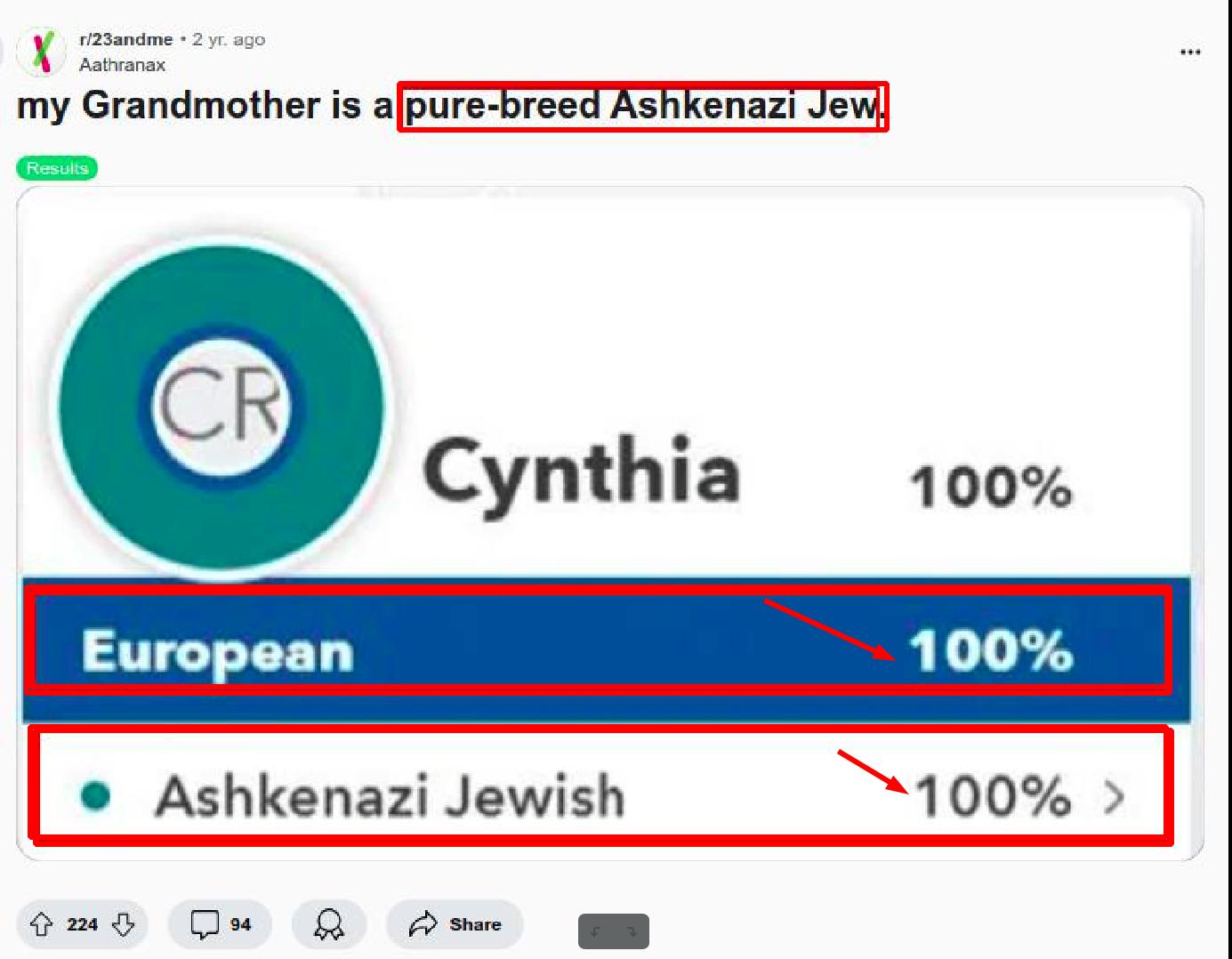
A Playlist Of Short Clips Of Jews Sharing Their DNA Test Results
When Hurwitz frantically proposed banning smartphones for Jewish youth and creating a "post-literate" retreat into curated, state-approved texts, she was advocating for an information ghetto--a self-imposed "Dumb Phone" firewall designed to protect youth from seeing the unfiltered images that pierced the Israeli media bubble. Just as Klein squirmed when confronted by Coates’s bare facts, Hurwitz’s call for algorithmic gerrymandering is the distress signal of an empire realizing that when power loses its ability to rule by Gramscian consent, it must frantically retreat to brute-force censorship.
VII. Conclusion: Unlearning Eight Decades of Manufactured History
Palestinian women harvesting cotton in the village of Kafr Saba in 1937
The exchange between Ta-Nehisi Coates and Ezra Klein was not an isolated media spat; it was an early tremor of a broader epistemological collapse. When Coates realized he had been "lied to by the storytelling business", he articulated the exact revelation now sweeping through a global audience.
If Western institutions spent eight decades systematically erasing an entire population, enforcing silence through gatekeeping, and promoting those who peddled state fabrications, it forces an uncomfortable set of questions:
What other foundational narratives of modern history are built on manufactured consent?
If the media mechanisms covering Palestine were fundamentally corrupted by state power, what else must be unlearned?
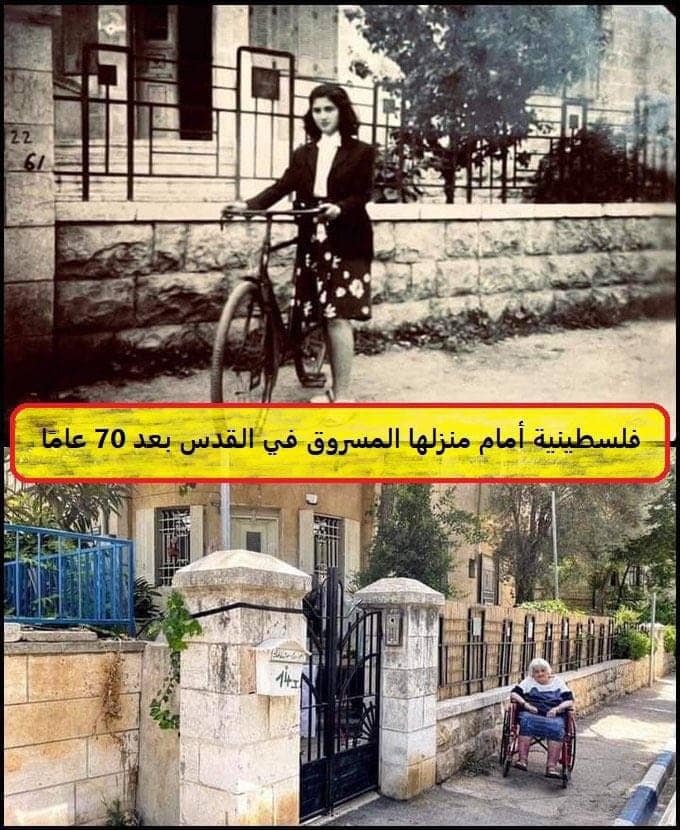
Abla Mohamad Daoud Dajani outside her family's looted house in the Baq'ah neighborhood - Jerusalem. Click the image for more such pictures that document Palestinians' dispossession.
These questions, asked by critical observers long before the October 7 Raid, forced a deep re-examination of what we have been taught regarding pivotal historical milestones--including the 1933 Haavara (Transfer) Agreement between the Zionist Federation of Germany and the Nazi regime, and the broader, contentious history of the Zionist leadership's political responses during the Holocaust. When the public begins to dismantle eight decades of curated storytelling, no historical consensus remains immune from audit.
The gatekeepers no longer control the horizon. The challenge facing this generation is not merely to demand better journalism, but to actively cleanse and unlearn the manufactured illusions of the last century--and to rebuild a political imagination rooted in uncompromised, factual truth.
 Menu
Menu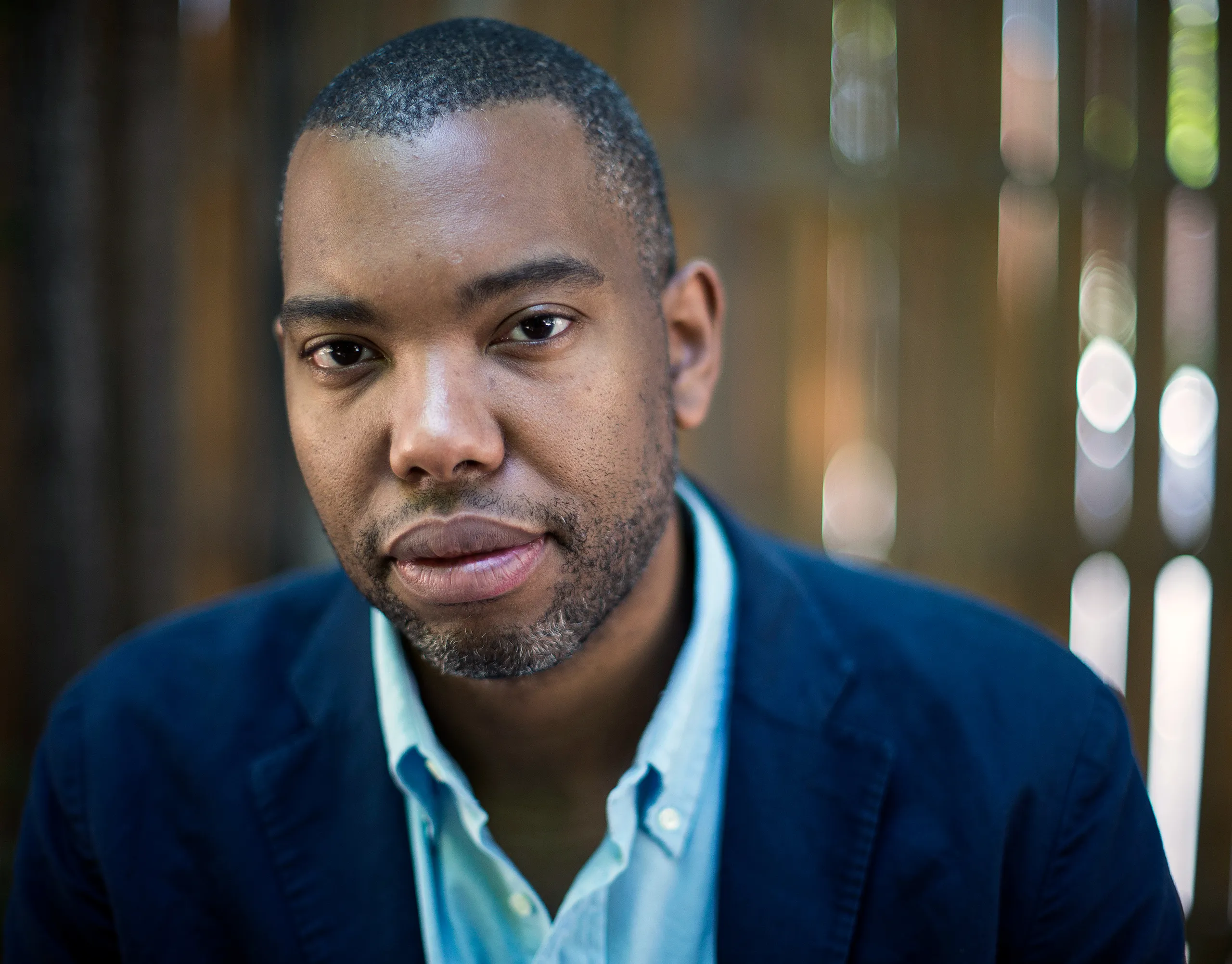
 JFK said it BEST in 1939: Palestine Was Hardly Britain's to Give Away
 Official UN Map: It was updated in August 1950, showing that Palestinians STILL OWN 94% of the lands
 Were the British so STUPID as to promise COMPLETE INDEPENDENCE to Palestinians in 1939 (who, of course, "didn't exist") while the Indians had been DREAMING of such a thing for 400 years?
 Browse hundreds of pictures depicting Palestinian culture.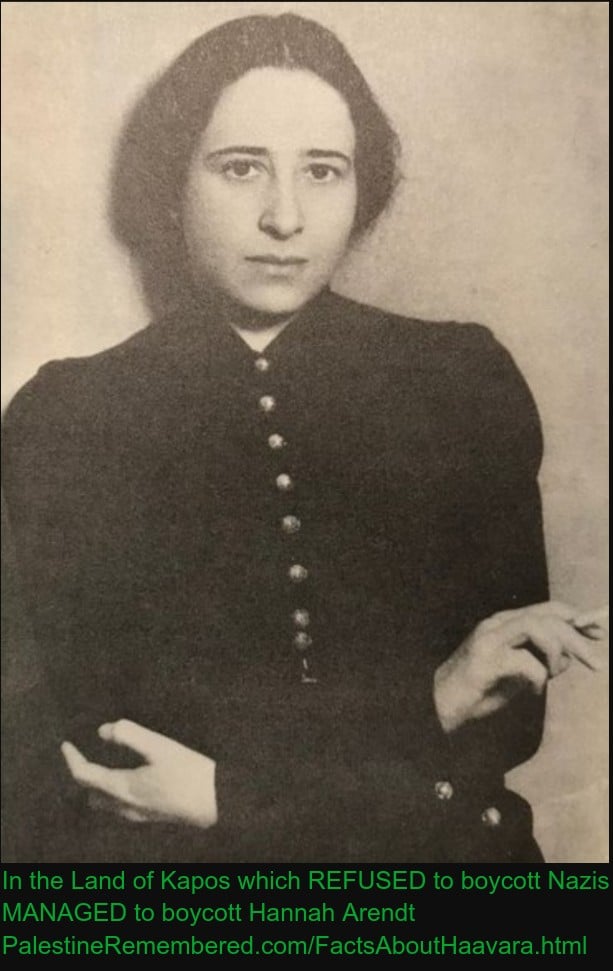
 Dorothy Thompson, 1937
 Hitler's Message To The West: If Jews are such noble citizens and you care about them, how come you're not letting them in?
 "Report On The State of Palestine" issued on March 28th, 1921, by the Third Palestine Arab Congress to Winston Churchill
 Twelve thousand Palestinians were recruited to fight with the British army during WWII. Unlike some impostors, many of those Arabs saw action in North Africa!
 Fake Valor: Why did two of Israel's future PMs, Menachem Begin and Yitzhak Shamir, bomb WWII war efforts while their families were being gassed in Poland?
 David Ben-Gurion envisioned that the Nazis' Nuremberg Race Laws would become the LEVER that would end up creating the "Jewish state," but how? Click the image for the details
  The Zionist Version Of Lebensraum: A Map Of The Great Israel
 Israeli Jews looting al-Musrara Palestinian Quarter, Jerusalem, 1948
 The usurped Palestinian city of Safad, a few years after the Nakba
 The famous looted house of al-Sheikh Ali, Jaffa
 Fake Valor: Why Did Zionist Jews Hoist Nazis Flag on Their Ships in the 1930s?
 Fake Valor: Jewish-Brigade, Italy April - 1945: The Impostering Hero, see me while I bomb Nazis ONLY a few weeks before WWII ended. We wonder if similar selfies were taken at the El Alamein meat grinder!
 A Playlist Of Short Clips Of Jews Sharing Their DNA Test Results
 Palestinian women harvesting cotton in the village of Kafr Saba in 1937
 Abla Mohamad Daoud Dajani outside her family's looted house in the Baq'ah neighborhood - Jerusalem. Click the image for more such pictures that document Palestinians' dispossession.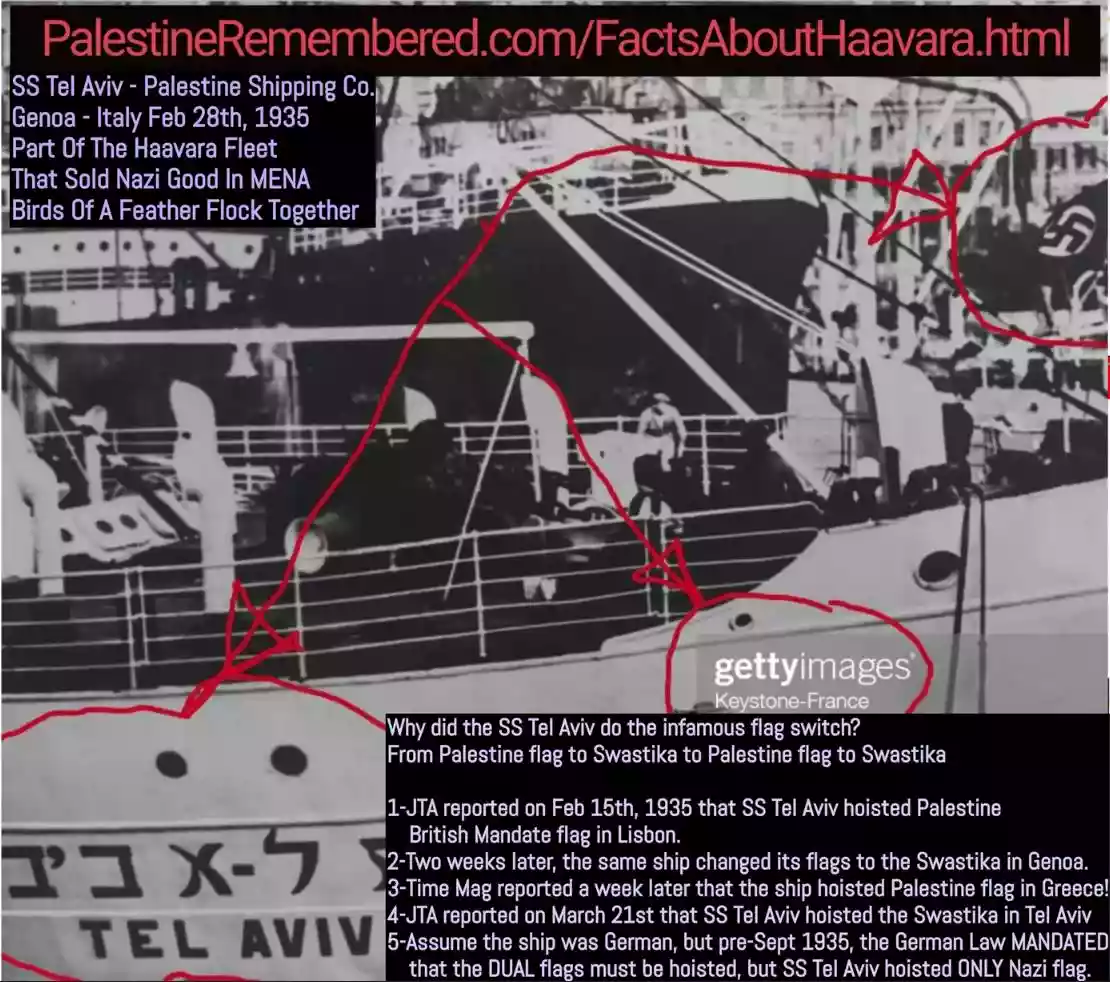


 Over 700 Oral History interviews (including 3,500+ hours of recording) can be viewed online.
Post Your Comment
*It should be NOTED that your email address won't be shared, and all communications between members will be routed via the website's mail server.