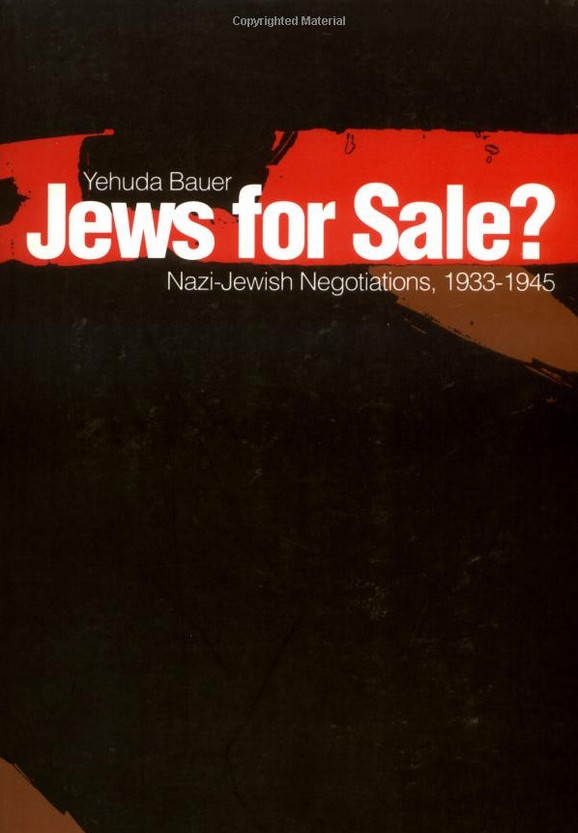
 Jews For Sale? By Yehuda Bauer. Buy a copy at Amazon
Throughout Jews for Sale?, Yehuda Bauer presents an uncritical, overly sympathetic portrayal of the Zionist leadership during the Holocaust. The narrative suffers from significant omissions, historical blind spots, and internal contradictions. Below, we outline several key areas where Bauer's analysis fails to hold up under scrutiny:
- Obstruction of the Evian Conference Bauer glosses over how Zionist leadership actively obstructed the 1938 Evian Conference, fearing that securing alternative asylum destinations for European Jews would undermine the political rationale for state-building in Palestine.
- Singular Fixation on Palestine: The text ignores the Zionist executive’s exclusive fixation on Palestine as the sole acceptable destination for Jewish refugees. When American Jewish leaders established an independent panel forty years ago to investigate this ideological bottleneck, the commission was abruptly disbanded following immense institutional pressure (see "Jan. 3rd, 1983 NYTimes.com: US Panel on Jews").
- Reactions to the Nuremberg Laws, Kristallnacht, and the Kindertransport: Bauer minimizes official Zionist stances regarding the Nuremberg Race Laws and the Kristallnacht pogrom--most notably David Ben-Gurion’s infamous condemnation of the British Kindertransport, in which he declared he would rather see half of Germany's Jewish children perish in England than have them saved by being diverted away from Palestine.
-
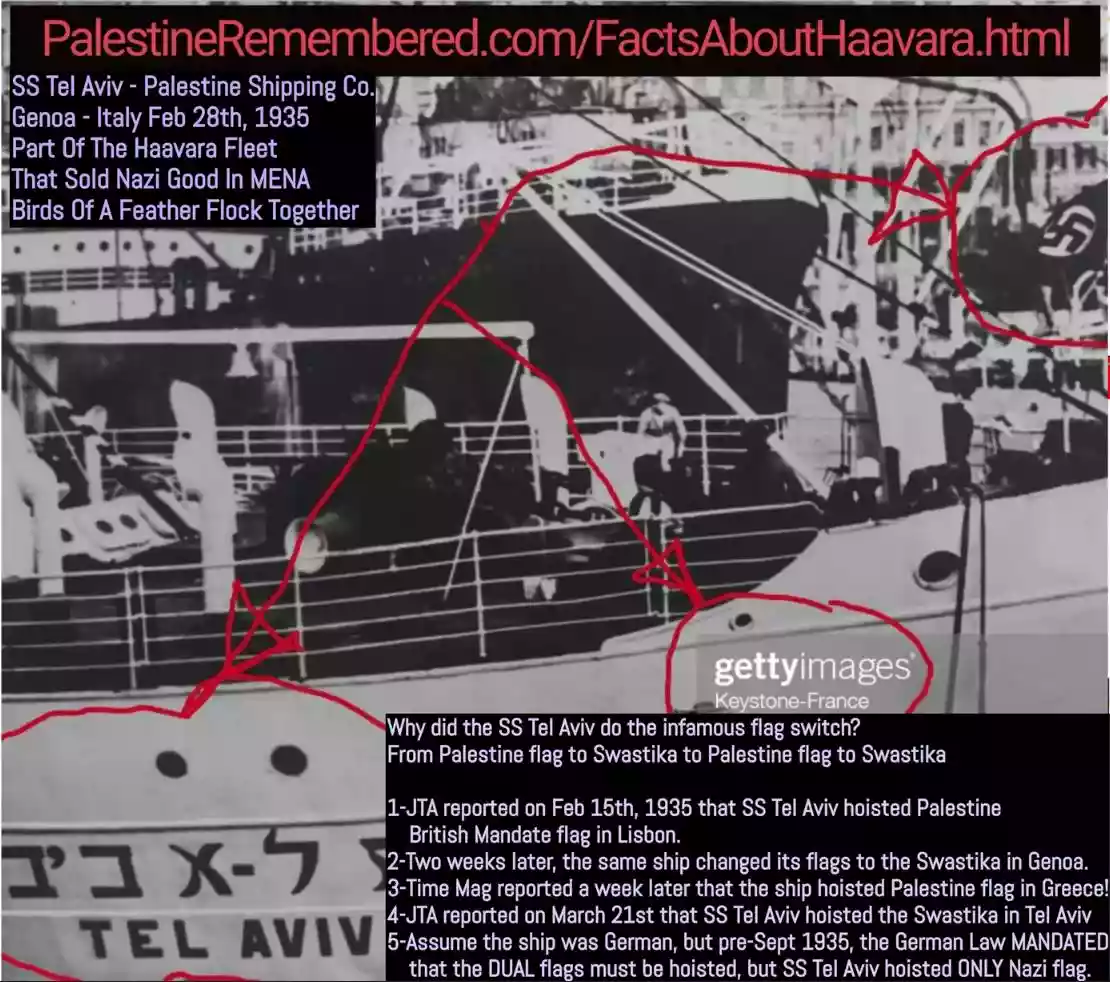
Double Standard on Transfer Agreements: Bauer provides a complete free pass regarding Zionist opposition to economic transfer proposals modeled on Haavara whenever those projects involved destinations other than Palestine.
- Silence on the Rublee-Schacht Plan: The author offers no critique of Zionist resistance to the Rublee-Schacht scheme, despite the fact that the Zionist movement was concurrently executing a near-identical bilateral trade agreement with the Third Reich.
- Omission of Non-Zionist Rescue Initiatives: Bauer provides no details explaining why Zionist officials actively vetoed non-Zionist rescue initiatives--including proposals advanced by the Warburg family and the American Jewish Joint Distribution Committee (JDC)--whenever those projects sought to resettle endangered Jews outside of Palestine.
- Minimizing the Anti-Nazi Boycott and Haavara's Economic Impact: Bauer severely downplays how the Haavara Agreement undermined the global Anti-Nazi Boycott. While citing that Haavara trade comprised 0.5% of overall German exports, he implies the boycott possessed negligible leverage. Yet internal Nazi economic archives--some of which Bauer himself cites on page 19--demonstrate that the Reich was terrified of international trade isolation. Following the Kristallnacht pogrom, German exports plummeted by 12.5% in January 1939 alone (a loss exceeding 100 million Reichsmarks per month), proving that a sustained, unified boycott posed an existential threat to the Nazi war economy.
- The Systematic Discrediting of Rabbi Michael Dov Weissmandl: In Chapter 5, Bauer and Dina Porat expend considerable effort attempting to impeach the credibility of Rabbi Michael Dov Weissmandl. Bauer dismisses Weissmandl’s testimony regarding the infamous letter from Nathan Schwalb (the Jewish Agency’s Geneva representative) on the grounds that it relied on post-war recollection rather than contemporaneous documentation--a standard of evidentiary perfection unreasonably demanded of a man who sawed through cattle-car bars to escape deportation to Auschwitz. Furthermore, Schwalb’s cold institutional stance was explicitly corroborated by Andrej Steiner of the Bratislava Working Group (p. 77) and aligned perfectly with contemporary statements by David Ben-Gurion in his address and Yitzhak Gruenbaum (head of the Rescue Committee).
To defend the Jewish Agency (JA), Bauer points out that it authorized half of the $100,000 down payment for the Europa Plan in August 1943. However, he conveniently omits that the JA only committed these funds after eight to nine months of paralysis, stepping in solely to save face once the JDC insisted on paying the ransom directly and turned the Europa Plan into a fait accompli.
-
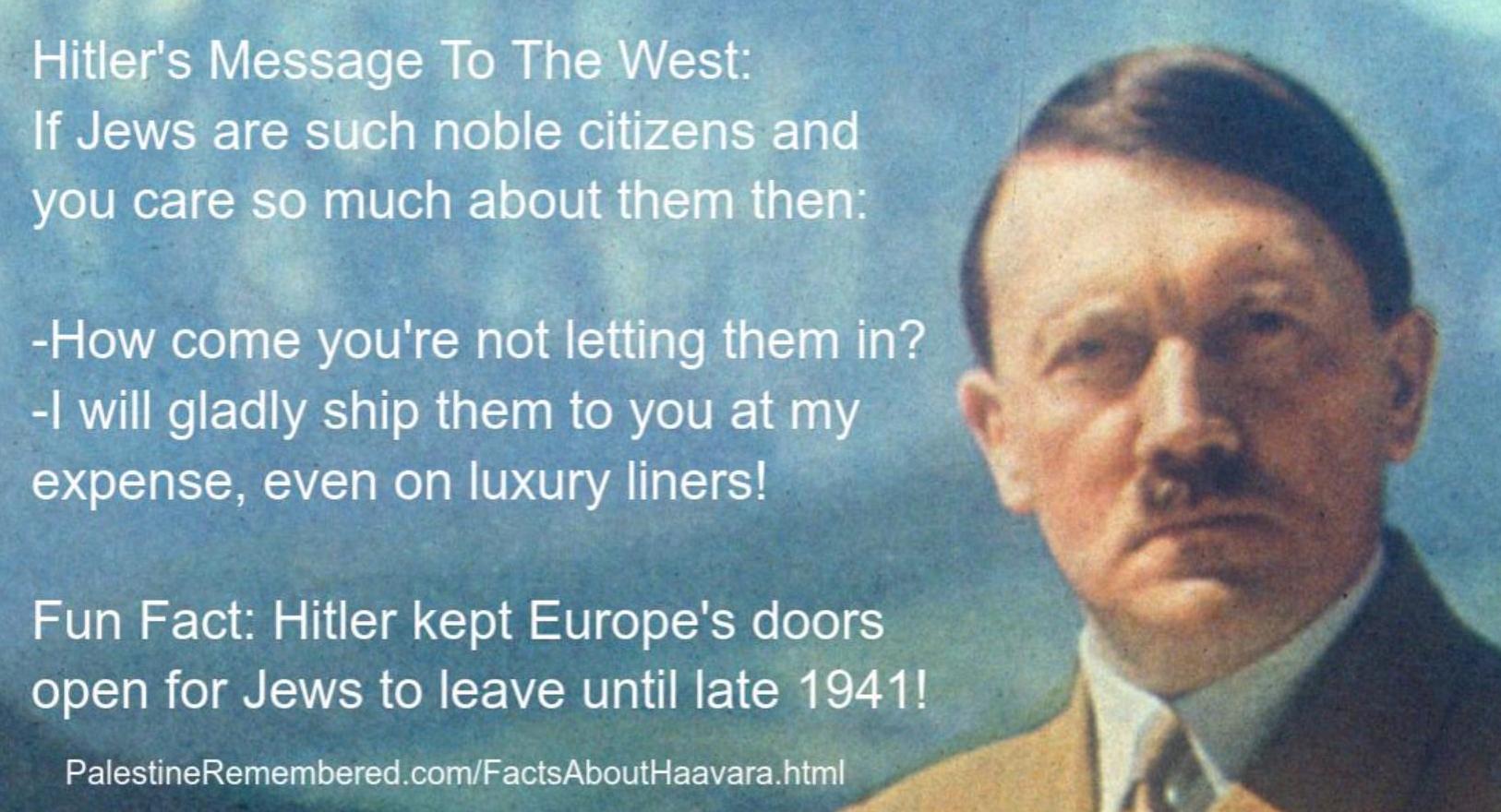 Hitler's Message To The West: If Jews are such noble citizens, how come you're not letting them in?
- Misunderstanding the Mechanics of Negotiations: Bauer asserts that the Bratislava Working Group was deceived and that the 1942 suspension of Slovakian deportations stemmed solely from local political bribery and Catholic Church intervention. This analysis misses the fundamental strategic dynamic: Heinrich Himmler's primary motive was never the cash ransom itself, but leveraging access to what Nazi ideology imagined as "World Jewish Power" over Western Allied governments. Rabbi Weissmandl grasped this psychological lever completely--a reality Bauer explicitly concedes (Jews For Sale?, p. 81).
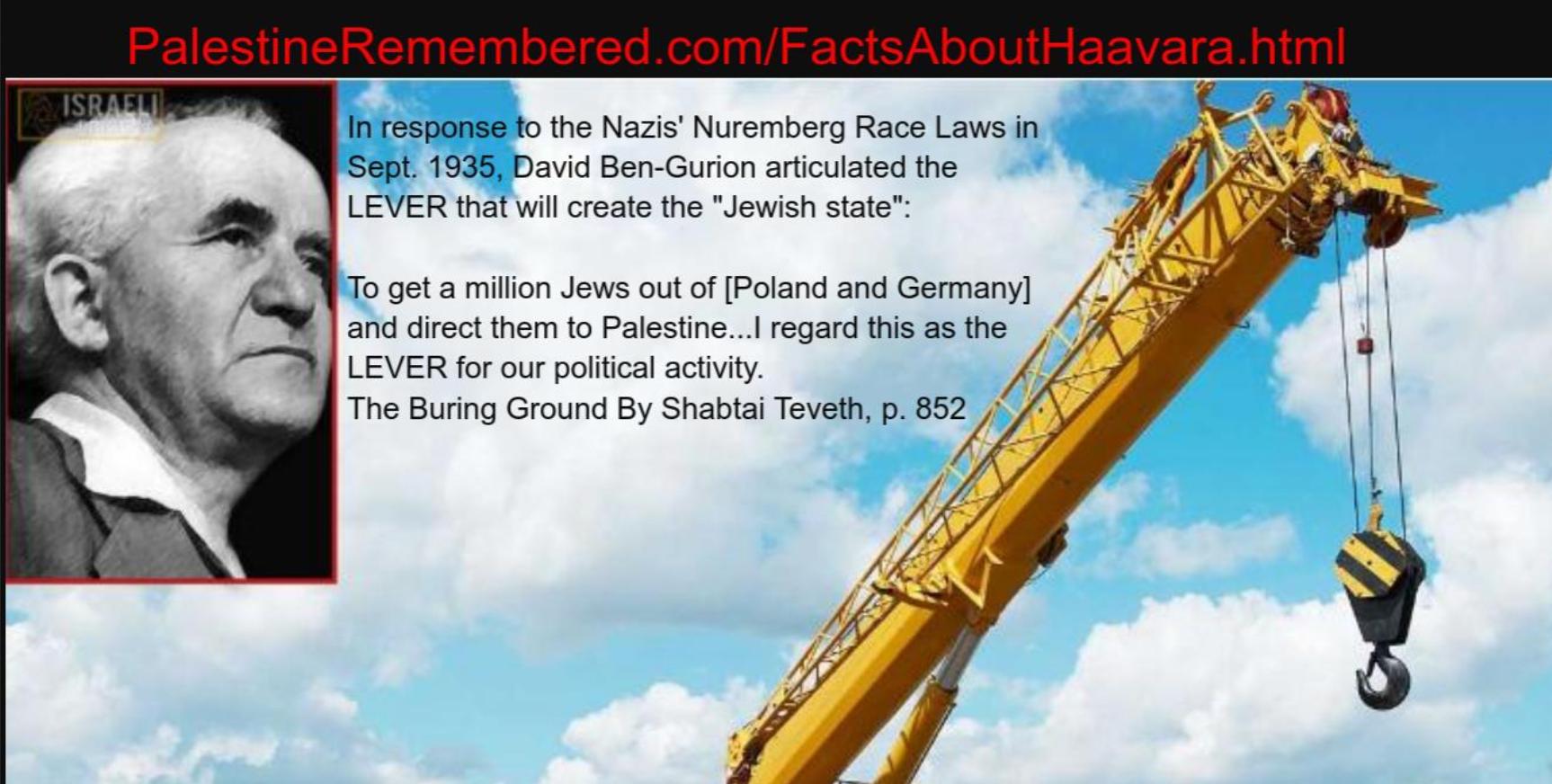 David Ben-Gurion envisioned that the Nazis' Nuremberg Race Laws would become the LEVER that would end up creating the "Jewish state," but how? Click the image for the details
From the perspective of the SS, negotiations served as a diagnostic test. When institutional Jewish leadership in the West delayed delivering a modest down payment for eight to nine months, they signaled to Himmler that they possessed neither power nor urgency. When a payment was finally dispatched, it was sent via an official wire transfer to comply with Allied banking regulations rather than contraband cash as it was demanded by the Nazis. By prioritizing Allied legal compliance over immediate rescue, the institutional leadership inadvertently proved to Himmler that they exerted zero back-channel influence in Washington, destroying the diplomatic premise of the negotiations (see Beit-Zvi's analysis). Basically, JA and JDC could have easily asked for an exception from FDR, which they actually did, but it was too little and too late. In other words, they dithered for eight to nine months. At length, we have addressed this topic in another section where we address the details of the Europa Plan.
- Disparaging the Bergson Group and Whitewashing the Jewish Agency: In Chapter 10, Bauer adopts a dismissive tone toward the Bergson Group and the War Refugee Board, culminating in a laudatory defense of Ben-Gurion that falsely claims the Zionist executive prioritized rescue to destinations other than Palestine. This whitewash is completely refuted by the Jewish Agency's internal wartime financial ledgers, which Bauer ignores.
Notably, the Zionist movement’s insistence on excluding non-Palestine destinations was so notorious that American Jewish leaders formed an independent investigative commission in 1983 to examine the issue--only to have the commission abruptly disbanded under intense political pressure two decades before Bauer wrote his text.
-
The Mufti as a Historical Alibi: As a general analytical rule, invocations of Haj Amin al-Husseini in Zionist historiography serve primarily as a rhetorical distraction. Bauer places primary blame on the Mufti for the destruction of the Bialystok Children. However, this ignores the fact that five other rescue transfers to Palestine succeeded during the exact same period. Bauer never explains why the Mufti’s opposition was allegedly absolute in the Bialystok case yet completely ineffective in the others (analyzed in detail in our dedicated study).
- Exonerating Rezső Kasztner and Omitting Institutional Complicity: In Chapter 11, Bauer offers a full exoneration of Rezső Kasztner, depicting him as a helpless actor. In doing so, Bauer omits critical historical facts:
A) Kasztner's post-war affidavit defending SS-Standartenführer Kurt Becher at Nuremberg was not an isolated rogue action, but was executed under explicit instructions from the Jewish Agency. While Bauer devotes half the chapter to vilifying Becher (who subsequently became one of West Germany’s wealthiest industrialists), he conceals how the Jewish Agency actively saved Becher from the gallows, omitting all mention of the financial transactions involving looted Jewish assets.
B) Bauer omits how Kasztner actively sabotaged Moshe Krausz’s life-saving initiative at the Glass House in Budapest, which ultimately rescued nearly 40,000 Hungarian Jews (detailed in our analysis).
- Colonial Blind Spots Regarding Indigenous Populations: Finally, while discussing Nazi proposals to deport European Jews to Madagascar in the late 1930s, Bauer laments that Nazi planners completely disregarded the island’s existing indigenous population (p. 58). Yet Bauer extends no such moral or analytical standard to Palestine--treating the native Arab majority as an invisible non-entity in order to preserve the colonial myth of an empty land brought to life by Zionist settlement.
 Menu
Menu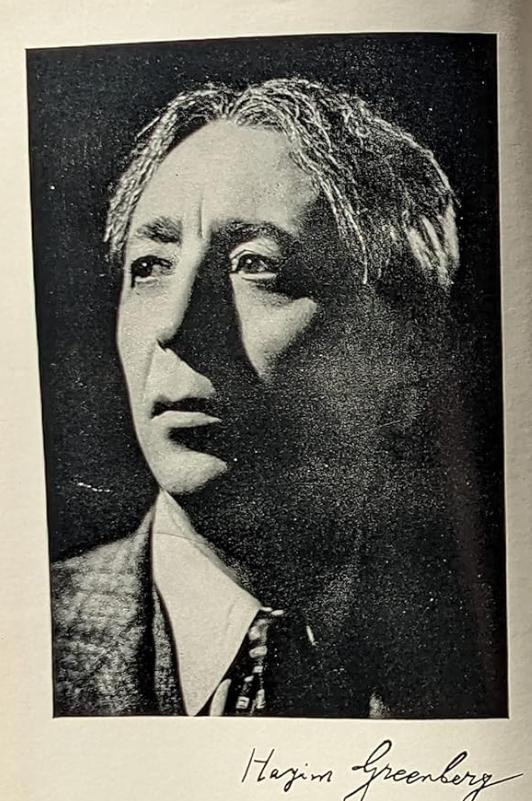 Why did Hayim Greenberg describe American Jewry as "morally bankrupt" in early 1943?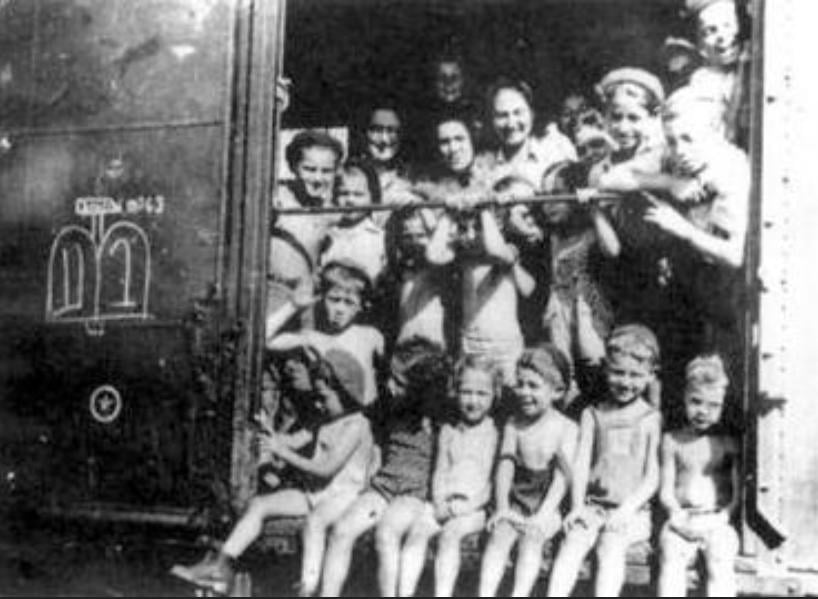


 Over 700 Oral History interviews (including 3,500+ hours of recording) can be viewed online.
Post Your Comment
*It should be NOTED that your email address won't be shared, and all communications between members will be routed via the website's mail server.