 Menu
MenuWhen Hitler rose to power in early 1933:
How did the Zionists respond to the anti-Nazi worldwide boycott?
How did the Zionists respond when the Jews were attacked and their shops vandalized?
The Zionist-Nazi Trade Deal and Suppression of Protests
One might assume that ardent Jewish nationalists (Zionists) would spearhead the organization and protest of the anti-Nazi boycott. However, the reality was quite different.
Contrary to expectations, the Zionists exploited Jewish suffering to sign a trade deal --known as the Haavara Agreement-- with Adolf Hitler. The explicit purpose of this agreement was to undermine and crush the anti-Nazi boycott movement.
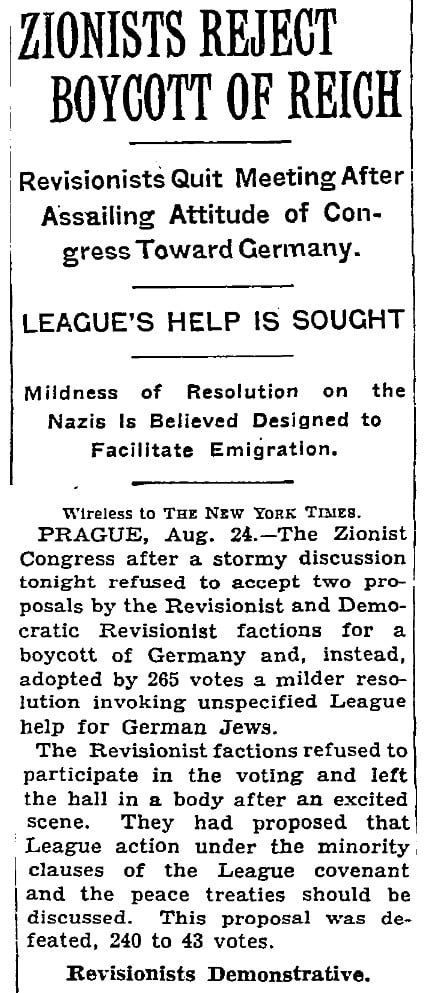 NYTimes, Aug 25th, 1933: Zionists Rejected Boycott of Reich
Spoiler Alert #1: The Zionists were, in fact, the first to ban all anti-Nazi protests.
Spoiler Alert #2: In the Zionist dictionary, exploiting Jewish pain and suffering was referred to as the "LEVER". This was David Ben-Gurion's terminology which he often repeated in the 1930s and 40s. Don't take our word for it; here it is from his official biographer, Shabtai Tevith.
A Deal That Persisted Despite Escalating Persecution
It might be assumed that the Zionists would abandon or taper their trade deal with the Nazis after major events of persecution, such as the enactment of the Nuremberg Race Laws or the Kristallnacht pogrom of November 1938. This was not the case.
The Zionists actively leveraged the Nazis' political and economic vulnerabilities early on to negotiate better terms for the Haavara Agreement. For instance, the Zionists took advantage of:
A) Increased German Unemployment: They capitalized on the sharply rising unemployment in Germany, even though official statistics excluded unemployed Jews and Marxists.
B) Hitler's Desire for Ethnic Cleansing: They leveraged Hitler's goal to ethnically cleanse and dispossess German Jewry, who possessed considerable wealth. The Zionists also sought control over German Jewry's wealth, mirroring the Nazi regime's focus.
C) The Worldwide Boycott: They exploited the spontaneous, crippling worldwide boycott against the Nazi regime--not to pressure a change in fascist policies --but to extract a more favorable deal from Hitler. This strategy was successful, resulting in a significantly better agreement than initially anticipated.
The Haavara Agreement's Significance to the Nazis
The German Consul in Jerusalem, Dr. Wolf, recognized the value of the Zionist leadership even before the Haavara Agreement was signed in the summer of 1933. He viewed the Zionist leadership as the single most EFFECTIVE TOOL capable of breaking up the anti-Nazi boycott movements in the US, London, and Palestine (as noted by David Yisraeli, pp. 131-132). Dr. Wolf quickly recognized the shift in organized Jewish political power from New York City to Jerusalem. This perception is cited as the reason the Haavara agreement was repeatedly extended until FDR terminated it in late 1941.
German Economy's Statistical Data When Hitler Rose To Power
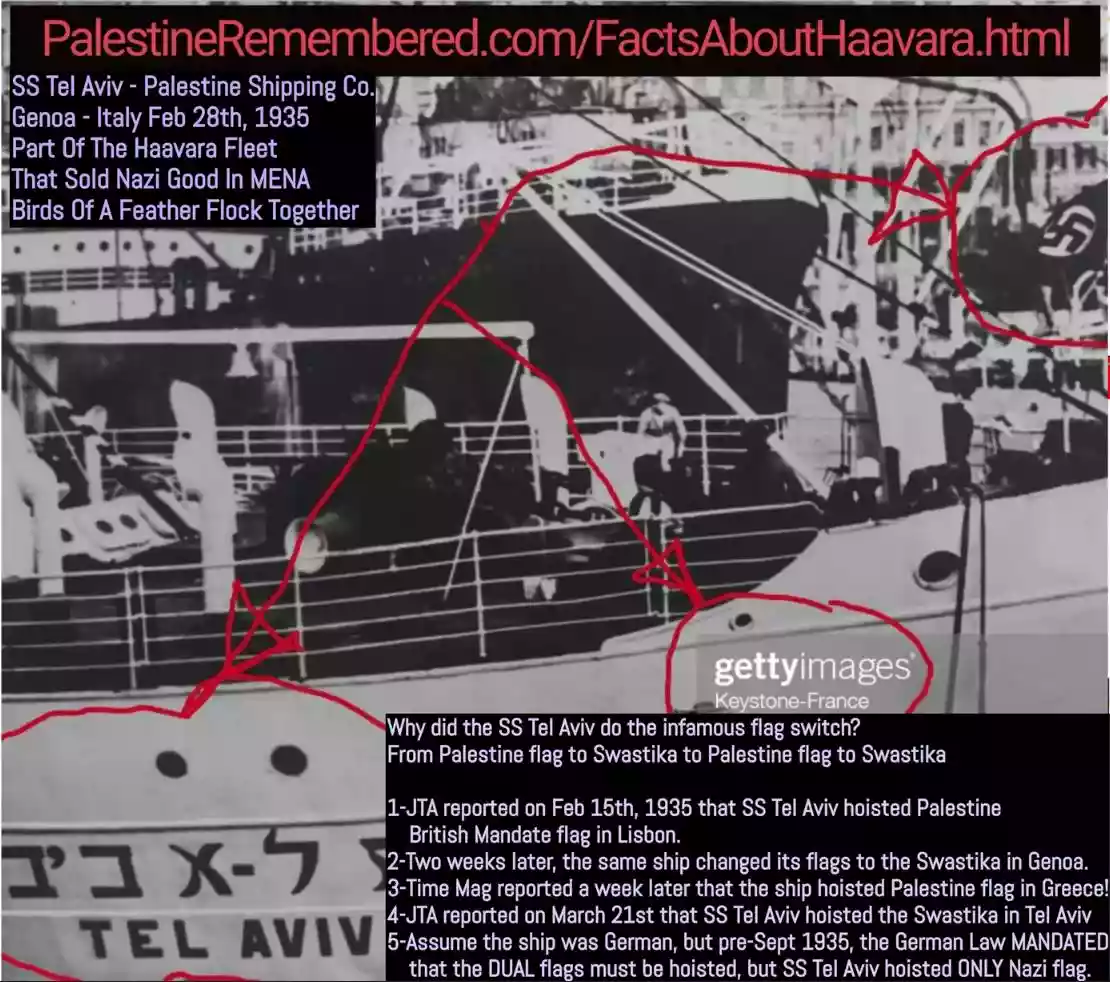
 Fake Valor: Why Did Zionist Jews Hoist Nazis Flag on Their Ships in the 1930s?
The economic situation in Nazi Germany was dire in early 1933. Within the first four months of that year, the German vital trade surplus dropped by 50%. Other sectors, such as fur, wine, textiles, and diamonds, were nearly destroyed. Most critically, Germany's foreign exchange reserve plummeted from RM 3.3 billion to 450 million. (For sources, see Edwin Black's The Transfer Agreement, p. 129-131, 181, 111, 223, 227, ch. 29, 264-271).
The anti-Nazi boycott severely impacted the Nazi regime, even after the initial economic recovery, as proven in another section. Furthermore, a year before World War II began, documents revealed to Hitler that the Haavara Agreement was no longer financially advantageous and would ultimately lead to the creation of a "Jewish state." Consequently, the Reichsbank and others recommended its termination. Hitler, however, refused to heed their advice. This repeated extension of the Haavara Agreement demonstrates the effectiveness of the Zionist leadership in achieving its objectives.
Notably, neither the Nazis nor the Zionists terminated the Haavara Agreement; it was ended by FDR in late 1941. Astonishingly, the Jewish Agency's office in Berlin remained open until as late as May 1941 (see Zionism and Anti-Semitism in Nazi Germany by Francis Nicosia, p. 276).
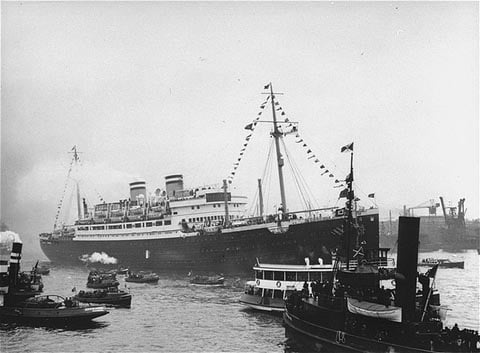 In May 1939, MS St. Louis in Havana was refused permission to unload its Jewish passengers in Cuba & US, and it was forced to go back to Antwerp. The Jewish Agency refused to give any of its passengers immigration certificates to Palestine. Over 250 of the passengers perished during the Holocaust.
It is crucial to understand that, for all Germans (both Jews and Aryans), the export of hard currency from Germany was prohibited. Yet, Hitler made a special exemption for Jews to meet the British Mandate's Capitalist visa requirement of P£1,000 (The Transfer Agreement, p. 82-4)-- a privilege not granted even to Aryans. Additionally, the Haavara Agreement offered limited exposure to the escalating Reich Flight Tax, which progressively increased: starting at 23% in 1931, it was raised to 70% in 1936, 85% in 1937, and finally 95% in 1939 on assets above RM 50,000. This policy incentivized or pushed many German Jews to deposit their assets into Haavara's blocked account II, even if they did not immigrate to Palestine. These funds later financed communal Zionist enterprises (see Palestine as a Destination for Jewish Immigrants by Aviva Halamish, p. 135-8).
If Haavara Was Good For The Nazis By Breaking Up The Boycott Movement, How Was It Good For The Zionists?
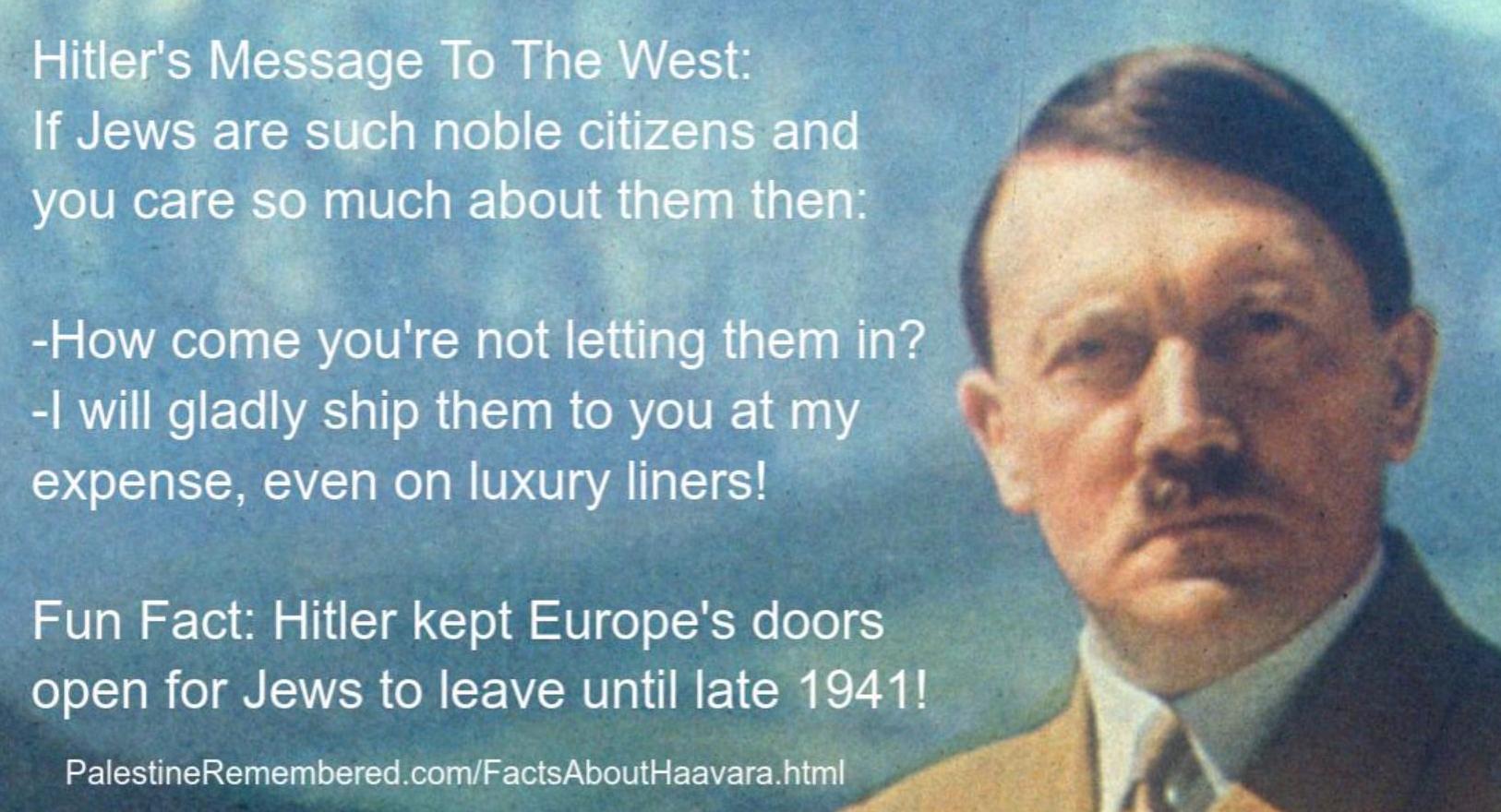 Hitler's Message To The West: If Jews are such noble citizens and you care about them, how come you're not letting them in?
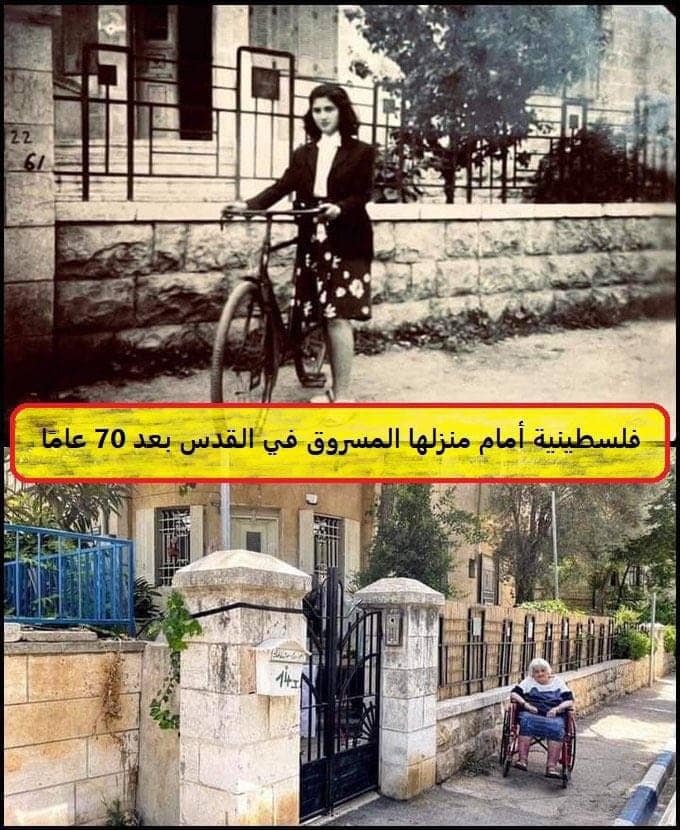 Abla Mohamad Daoud Dajani outside her family's looted house in the Baq'ah neighborhood - Jerusalem. Click the image for more such pictures that document Palestinians' dispossession.
What was tragically funny was that when Haavara was signed, the Jewish Agency was so broke it had no access to the necessary liquidity to start the whole ball rolling. The Reichsbank intervened at the critical moment with a massive revolving line of credit to grease the agreement. Remember, this happened when the Germans themselves were on the ropes!
Ironically, soon after Nakba in the early 1950s, Zionism faced another financial existential crisis, and again, not for Germans, and the "Jewish state" would have ceased to exist. Thus, YES, the Germans saved Zionism twice in the last nine decades.
Besides Breaking Up The Anti-Nazi Boycott, How Else Did Haavara Help the Nazis?
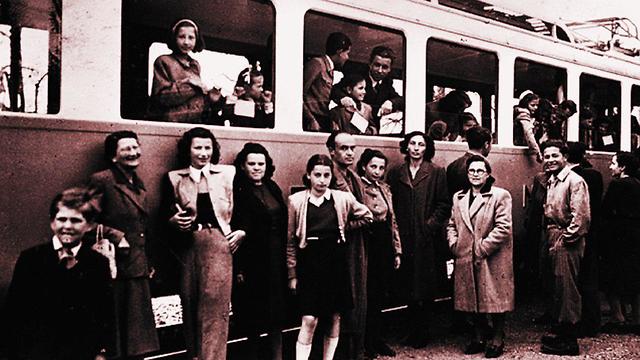
Kastner Saved Lives Too: How does justifying Haavara after the fact not resemble Kastner's defense of what happened on his infamous train, but at a much larger scale? Kastner too saved Live!
 Adolf Eichmann & company coined a special Gold Medallion in honor of the Nazis' relationship with Zionists! Do you have any ideas why he visited Palestine in 1937?
Spoiler Alert: Allow this fact to sink in again: The Zionist leadership was frantic to stabilize the Reichsmark a month before Haavara was signed (The Transfer Agreement, p. 253-4)! Of course, the Nazis appreciate such a willing partner. This alone is proof of what consumed Zionists at the time. In return, Hitler showered Zionists with privileges most of Aryans dreamt of. This fact speaks volumes!
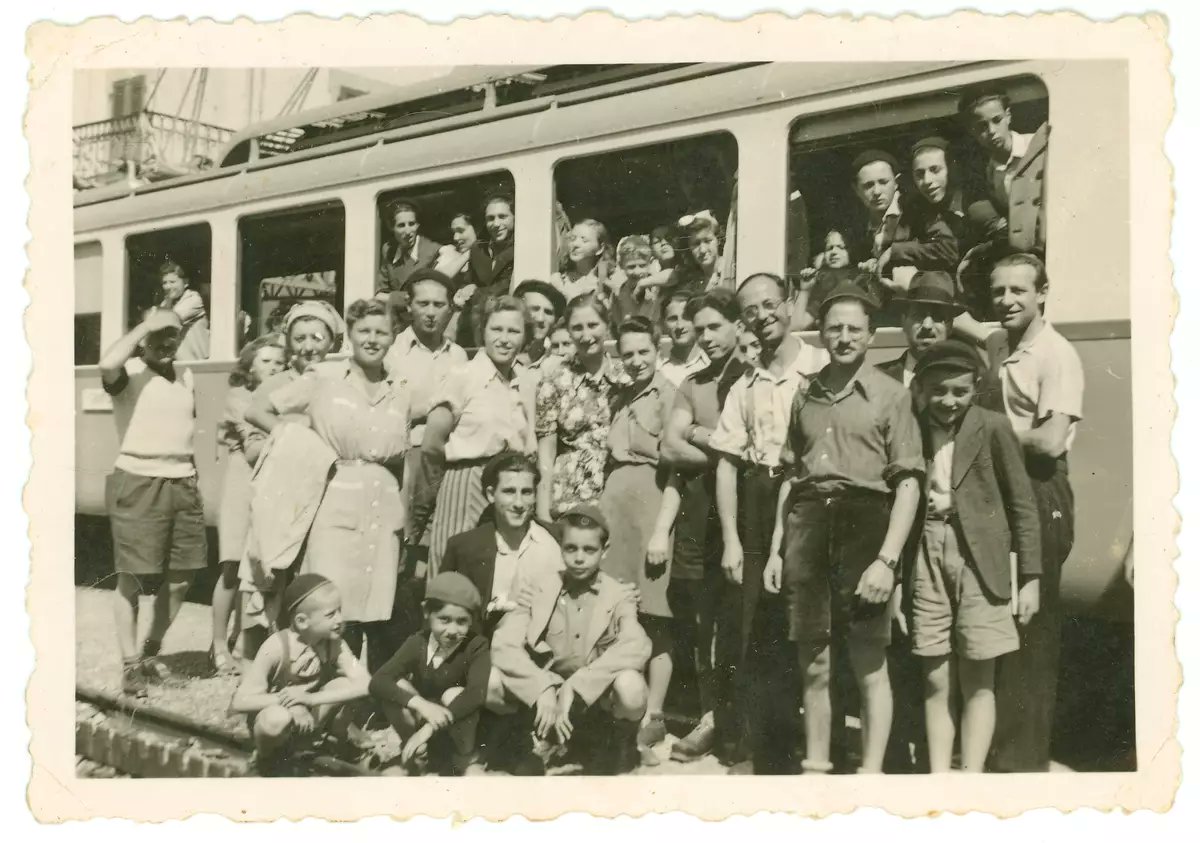
Kastner Saved Lives Too: How does justifying Haavara after the fact not resemble Kastner's defense of what happened on his infamous train, but at a much larger scale? Kastner too saved Live!
During the first days after Hitler's boycott against Germany's Jews [early 1933], the Zionist movement's hierarchy in Europe and America was busy trying to plot a course of action. Their objective was not to mobilize Jewish and non-Jewish resources for the preservation of Jewish rights in Germany. Rather, they sought a means of turning the miseries of German Jewry into a new impetus for a Jewish Homeland in Palestine. [In Zionists' lexicons, David Ben-Gurion referred to such a process as the LEVER in the 1930s and 40s]
Zionist leadership had, in fact, refused to oppose the Nazi expulsion ideology from the outset. (The Transfer Agreement, p. 78-9)
The Nazis Used Haavara As The Perfect Alibi To Deflect Chriticism
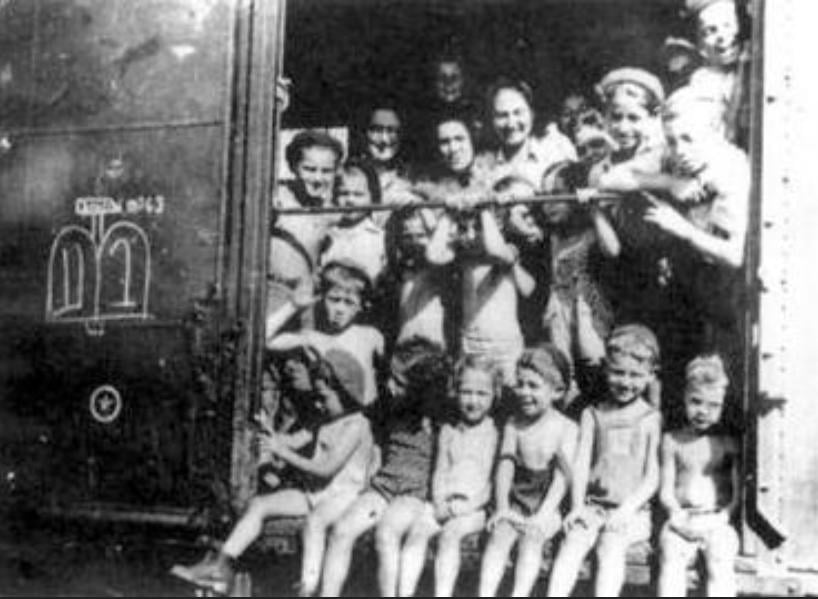
Kastner Saved Lives Too: How does justifying Haavara after the fact not resemble Kastner's defense of what happened on his infamous train, but at a much larger scale? Kastner too saved Live!
Zionist Leaders' Thoughts On Appeasing Antisemites Way After The Fact
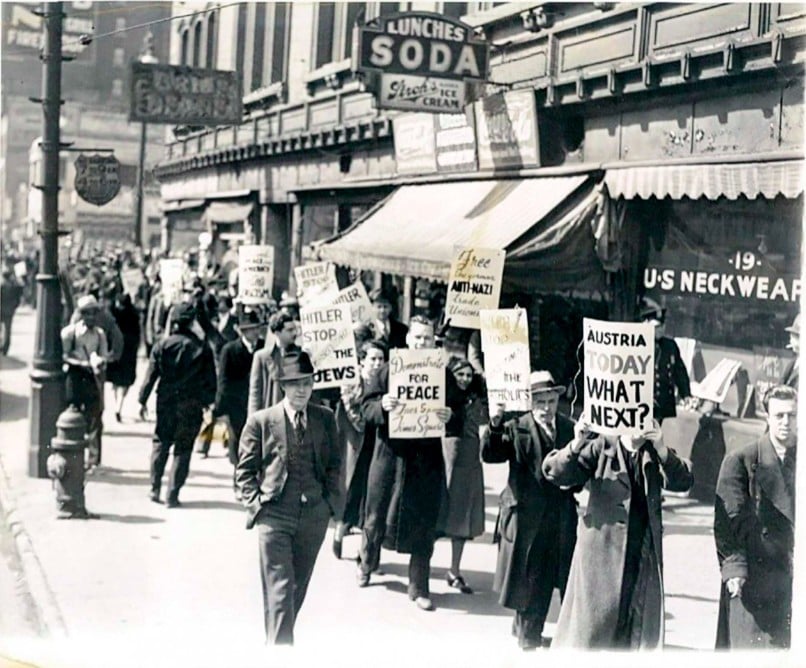 Anti-Nazi Demonstration in Detroit, March 13, 1938. If this happened in Palestine, D. Ben-Gurion would have arrested them! Are you surprised?
To paint a vivid picture of this critical period (in early 1933), we decided to include Nahum Goldmann's assessment of this period. Mr. Goldmann was one of the most important founding members of the "Jewish state" who we witnessed firsthand the most critical events in the 1930s and 40s. Below, Mr. Goldmann looked back with great remorse and painful regrets because he genuinely believed Jews (especially the Zionists) had dropped the ball on many occasions in the 1930s and 40s. He felt that at every turn, Jews had engaged antisemites and fascists with appeasement instead of confronting them. Ironically, it was the founder of Zionism, Theodor Herzl, who taught Zionists to appease antisemites whom he predicted would become Zionists' best friends! Our critical assessment follows what Mr. Goldmann wrote between brackets and in italic:
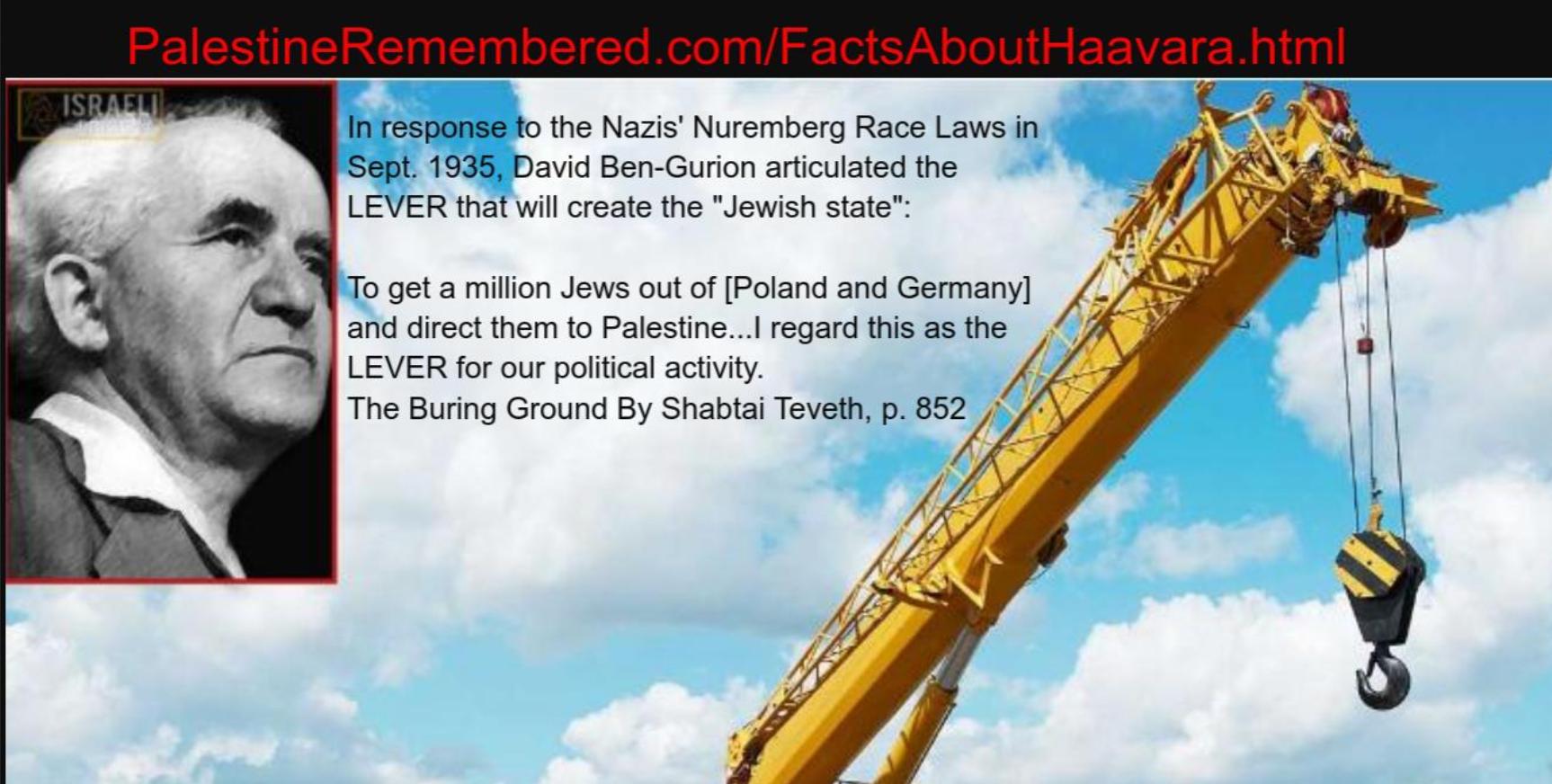 David Ben-Gurion envisioned that the Nazis' Nuremberg Race Laws would become the LEVER that would end up creating the "Jewish state," but how? Click the image for the details
 Furthermore, most contemporary Jewish leaders were not prepared to defend Jewish rights by political means under any circumstances, but confined themselves to philanthropy and relief measures. I considered these methods not only ineffective in the long run but actually harmful, because ultimately they amounted to offering financial compensation for the persecution of Jews. When the Nazis announced that they were going to deprive German Jews of their human rights, ruin them economically, and finally expel them, the reaction of the influential American-Jewish leaders was equivalent to replying to Hitler: We will send millions of dollars to Germany to aid the Jews and thus strengthen the German economy. Colonel Beck, the Polish foreign minister--no Nazi, to be sure, though an anti-Semite--confirmed this in a conversation I had with him. Hitler, he said, had received several million dollars in Jewish relief funds from America, in response to threats to Germany's six hundred thousand Jews. Why should Poland not do the same with its three million Jews and receive five times the reward?
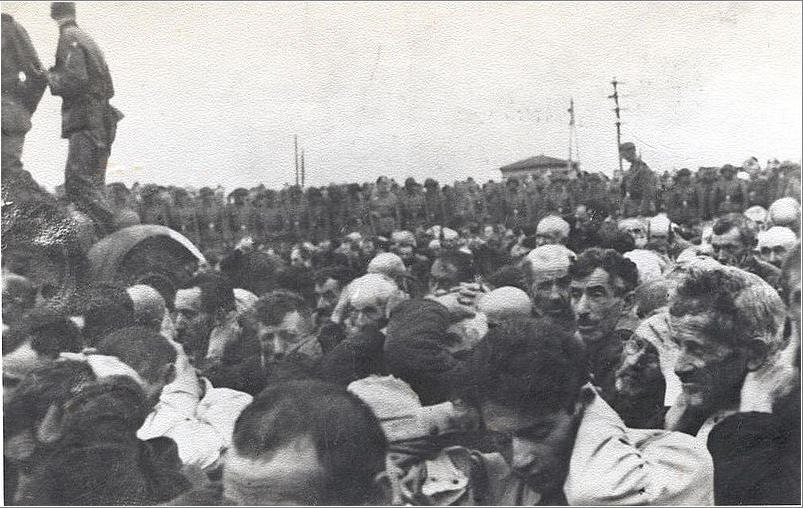 Bialystok Ghetto Uprising Aftermath, August 15 - 20, 1943
We, the leaders of the WJC, tried desperately to mobilize the Jews and persuade them to fight Nazism by political means. If we had succeeded, in the first few years, in organizing an effective anti-Nazi boycott and mobilizing the influence of Jews, especially in America and England, against the Nazi regime when it was still weak and if, as I feel sure, though, of course, I cannot prove it, millions of gentiles would have joined us, we might have produced, if not the suspension of the Nuremberg Laws, at least a mitigation of the persecution and possibly an arrangement whereby German Jews could emigrate and take a considerable percentage of their assets with them. But all these proposals met with very little response in the world and, as Dr. Wise bitterly admitted, they were actually opposed by influential Jews in the United States. Since even the leaders of German Jewry did not endorse them, they remained completely futile.
We complain today that the non-Jewish world did not take an effective moral and political stand against the Nazi regime but embarked instead upon years of appeasement and had to pay the price with the Second World War. Historically, these charges are completely justified, but no less justified is the self-accusation of our people, which irresolutely and myopically, watched the coming of the greatest catastrophe in its history and prepared no adequate defense. We cannot offer the excuse that we were attacked unexpectedly. Everything Hitler and his regime did to us had been announced with cynical candor beforehand. Our naivete and complacent optimism led us to ignore these threats. In this mortifying chapter of Jewish history, there is no excuse for our generation as a whole or most of our leaders. We must stand as a generation not only condemned to witness the destruction of a third of our number but guilty of having accepted it without any resistance worthy of the name.Revisionists Boycott Poster
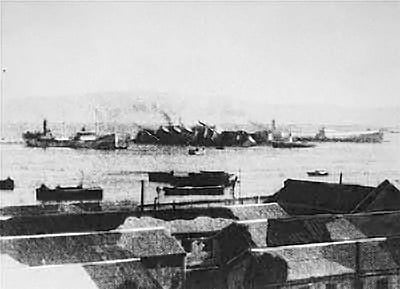 The Lever of Disaster: The Patria, Ben-Gurion, and the Doctrine of Sacrificial Statehood
In those years of fruitless struggle against Nazism, with all their deep disappointments, I sometimes found more understanding among gentile leaders than among Jewish ones. An example of this is the conversation I had in Geneva with Eduard Benes, the Czech foreign minister, who asked me to come and see him a few days after the promulgation of the Nuremberg Laws. I can still picture him, excited and almost shouting, pacing back and forth across his corner salon in the Hotel Beau Rivage, where for two hours he reproachfully demanded to know why the Jews did not react on a grand scale, why my friends and I did not immediately call an international Jewish congress and declare all-out war on the National Socialist regime. He assured me that he and many other non-Jewish statelessness would give us their full support. "Don't you understand," he shouted, "that by reacting with nothing but half-hearted gestures, by failing to arouse world public opinion and take vigorous action against the Germans, the Jews are endangering their future and their human rights all over the world? If you go on like this, Hitler's example will be contagious and encourage all the anti-Semites throughout the world."
I have been through many painful interviews in my life, but I have never felt so uncomfortable and ashamed as I did during those two hours. I knew it was right. Nevertheless, I tried to defend the attitude of world Jewry by pointing out the difficulties of organizing politically a dispersed, homeless people and the reluctance of many Jewish spokesmen to take a hostile position toward Germany so long as their governments maintained friendly relations with it. None of my arguments had any effect and I left Benek after promising to try, at least, to obtain some international action against the Nuremberg Laws, although, of course, I knew I would never succeed. During those years, we lost the respect of many well-meaning friends who expected a united, deeply perturbed world Jewry to proclaim a moral and political crusade against the Nazi regime. No one can tell what might have happened if we had done so. There were unquestionably cases, such as the Bernheim Petition or the dispute about Jewish rights in the Saar, in which political resistance proved effective in those early days of National Socialism. But in this context, such success was irrelevant. What matters in a situation of this sort is a people's moral stance, its readiness to fight back instead of helplessly allowing itself to be massacred. We did not stand the test. (Autobiography by Nahum Goldmann, p. 147 - 149)JTA Sept. 3rd, 1933 Quoting Nahum Sokolow: "Hitlerism enables us to convert all Jews to Zionism."
[Pay attention to how Mr. Goldmann completely covered up the fact that it was he and his Zionist organizations who played an active role in breaking up the anti-Nazi boycott; his whole assessment didn't even mention the Haavara Agreement, and that is very telling. If you are interested here is our critical review of what Mr. Goldman wrote.]
Kastner Saved Lives Too: How does justifying Haavara after the fact not resemble Kastner's defense of what happened on his infamous train, but at a much larger scale? Kastner too saved Live!
The questions every Jew must ask:
 What if Zionist leaders weren't the first to break the crippling boycott on Nazis? It should be noted that Ben-Gurion's Mapai banned all anti-Nazi protests as early as Sept. 2nd, 1933 (The Transfer Agreement, p. 339). What was tragically funny was that we found this Zionist policy persisted during WWII; we found very few protests against the Nazis. On the other hand, anti-British protests were widespread, and terrorizing allied war efforts in Palestine and Egypt were! This should give an idea of how fighting Hitler and rescuing Jews was "front and center" to Zionist leaders.
When Zionist Jews eagerly normalized trade with Nazis for advantage AND were ahead of any nation, corporation & individuals (8 years ahead of Mufti Haj Amin & Vichy), how did such behavior not set the stage for breaking up the worldwide boycott! If Jews normalized trade first with Hitler as early as 1933, who to blame: the Austrians, Henry Ford, IBM, Stalin, Chamberlain, Mufti Haj Amin, or the Poles?
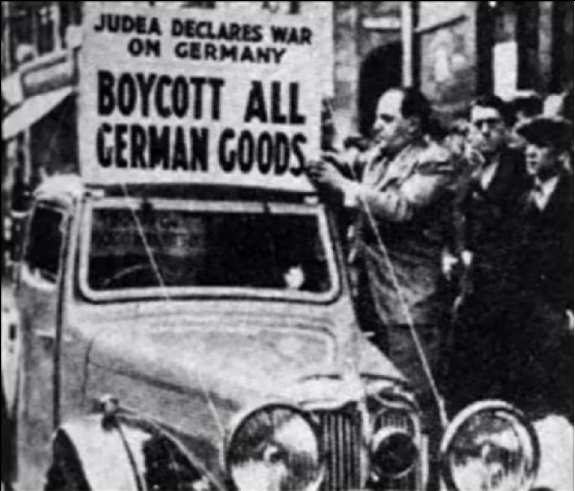 NY City, anti-Nazi Boycott poster, 1933
 What would've happened if the crippling, unorganized worldwide boycott of the Nazi regime persisted and strengthened with more organization at the trade unions & associations level, and Zionists didn't position themselves for advantage by nixing it?
Wouldn't you think Zionists would go out of their way to hoist Swastikas (on their Haavara fleet) as they were selling Nazi goods all over MENA and Europe? Wouldn't think they would do such a thing a year ahead of the German Navy? If you have any questions, here are the details. It is OK, guys; showing their love for the great leader was done in good faith to "save" Jews' lives.
Conclusion
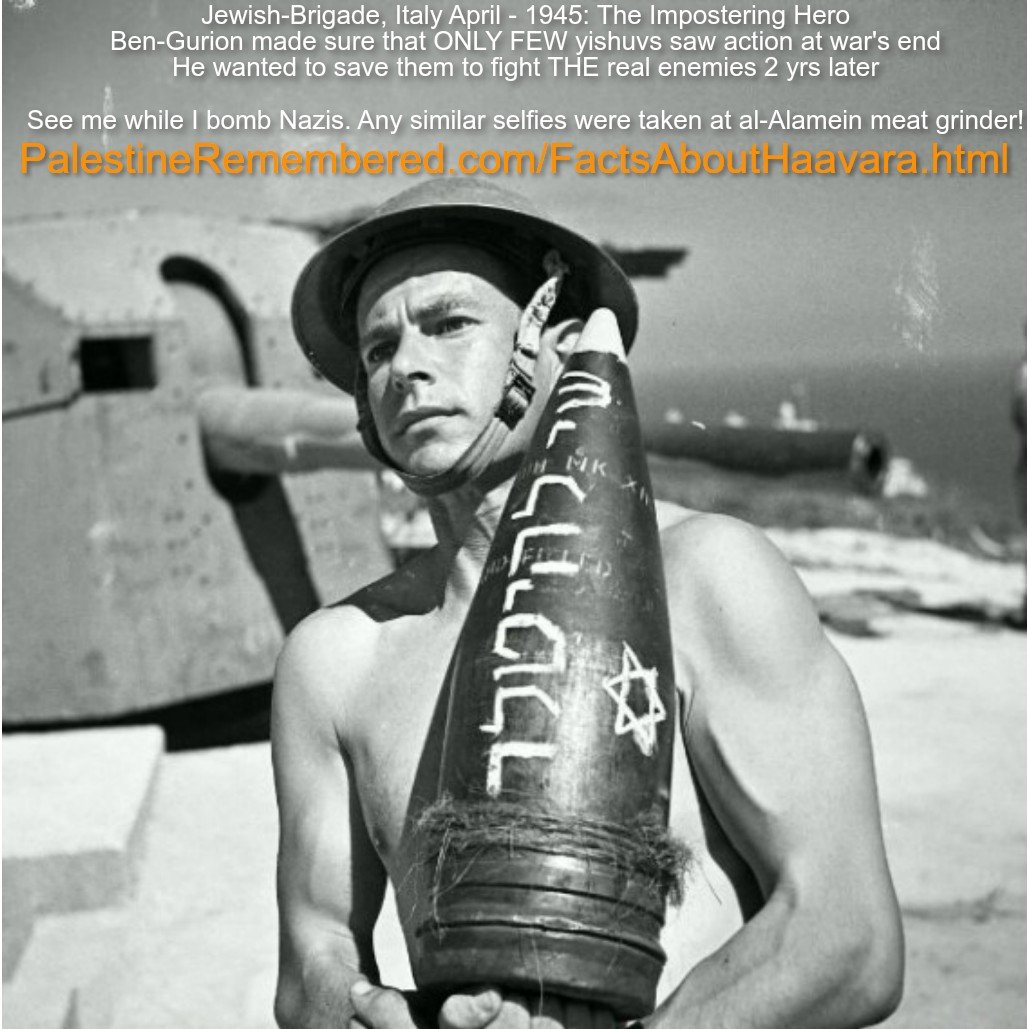 Fake Valor: Jewish-Brigade, Italy April - 1945: The Impostering Hero, see me while I bomb Nazis. We wonder: were any similar selfies taken at the al-Alamein meat grinder?
Here is the unvarnished truth: the Nazi-led regime coalition government in 1933 would've most likely collapsed as it happened to other earlier German coalitions! To recognize how effective the boycott was and the fear it generated within Nazi ranks, especially in early 1933, you have to read chapters 18,19, & 29 in The Transfer Agreement, p. 177-194, 264-271. If you have the time, we urge you to read "The Economic Bulletin By The Anti-Nazi League" for Sept. 1934; it will give you an idea of the Nazis' situation
God forbid, if we still have not communicated our point of view yet, we urge you to watch Tony Greenstein for 140 seconds articulating our main points. Tony is an authority on this subject:
When Zionists are confronted with the unpleasant facts, they often deflect by claiming that German exports to Palestine were tiny compared to the German total exports. Well, here is our detailed reply to this argument.


 Over 700 Oral History interviews (including 3,500+ hours of recording) can be viewed online.
Post Your Comment
*It should be NOTED that your email address won't be shared, and all communications between members will be routed via the website's mail server.